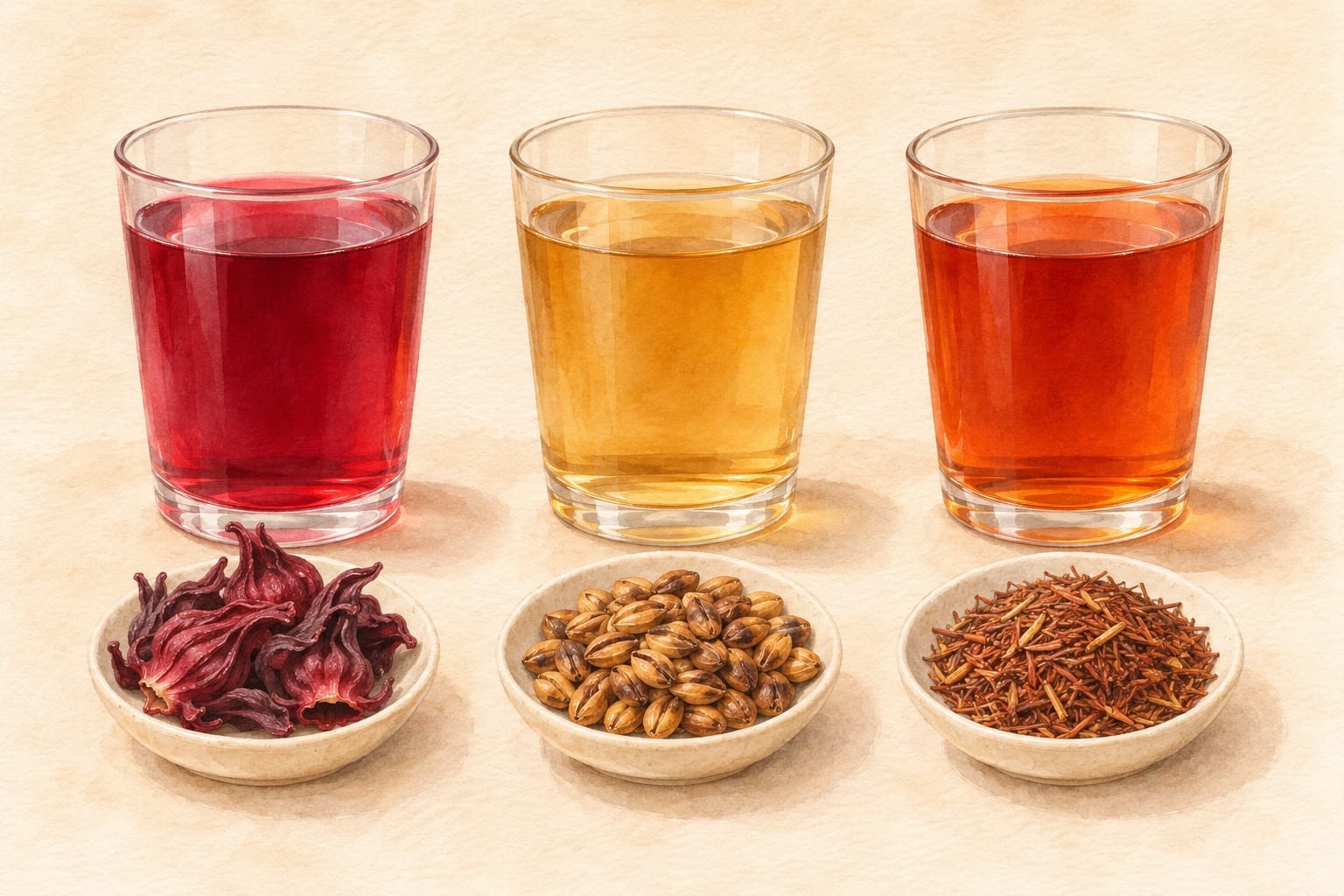
Heritage in a glass
There is a world of flavour beyond the soft-drink aisle. Explore traditional beverages with stories, local names and a place at the table—prepared here without added sugar.
Start here: discover tart Egyptian and Sudanese karkadé, toasted Japanese mugicha and mellow South African rooibos. Each guide brings together cultural heritage, a practical recipe and the precautions that matter.
“Ancestral” means a connection to inherited food traditions here. It does not establish that every modern recipe is ancient or that every drink suits everyone.
What can I drink instead of soda?
For flavour without adding sugar, start with plain karkadé, mugicha, rooibos or salabat. This collection brings together eleven heritage beverages with illustrated preparations, cultural sources, caffeine labels and individual precautions. Use the cards below to choose a flavour, then read the full guide.
Looking for low-sugar drinks? Begin with unsweetened infusions and check the actual ingredients and serving size. “No added sugar” does not mean sugar-free: coconut water contains natural sugar, and these household preparations have not been laboratory analysed.
Choose your first glass
Egypt & Sudan
Karkadé
Bright red · floral · tart
Hibiscus calyces. Read medicine and pregnancy cautions.
Heritage, recipe and safetyJapan
Mugicha
Toasted grain · nutty · mellow
Roasted barley. Contains gluten.
Heritage, recipe and safetySouth Africa
Rooibos
Amber red · rounded · earthy
Plain rooibos. Naturally caffeine-free.
Heritage, recipe and safetyMore traditions to explore
Four more ways to enjoy flavour and hospitality without adding sugar. Salabat uses ginger and water; the other three contain caffeine and are presented for adult readers.
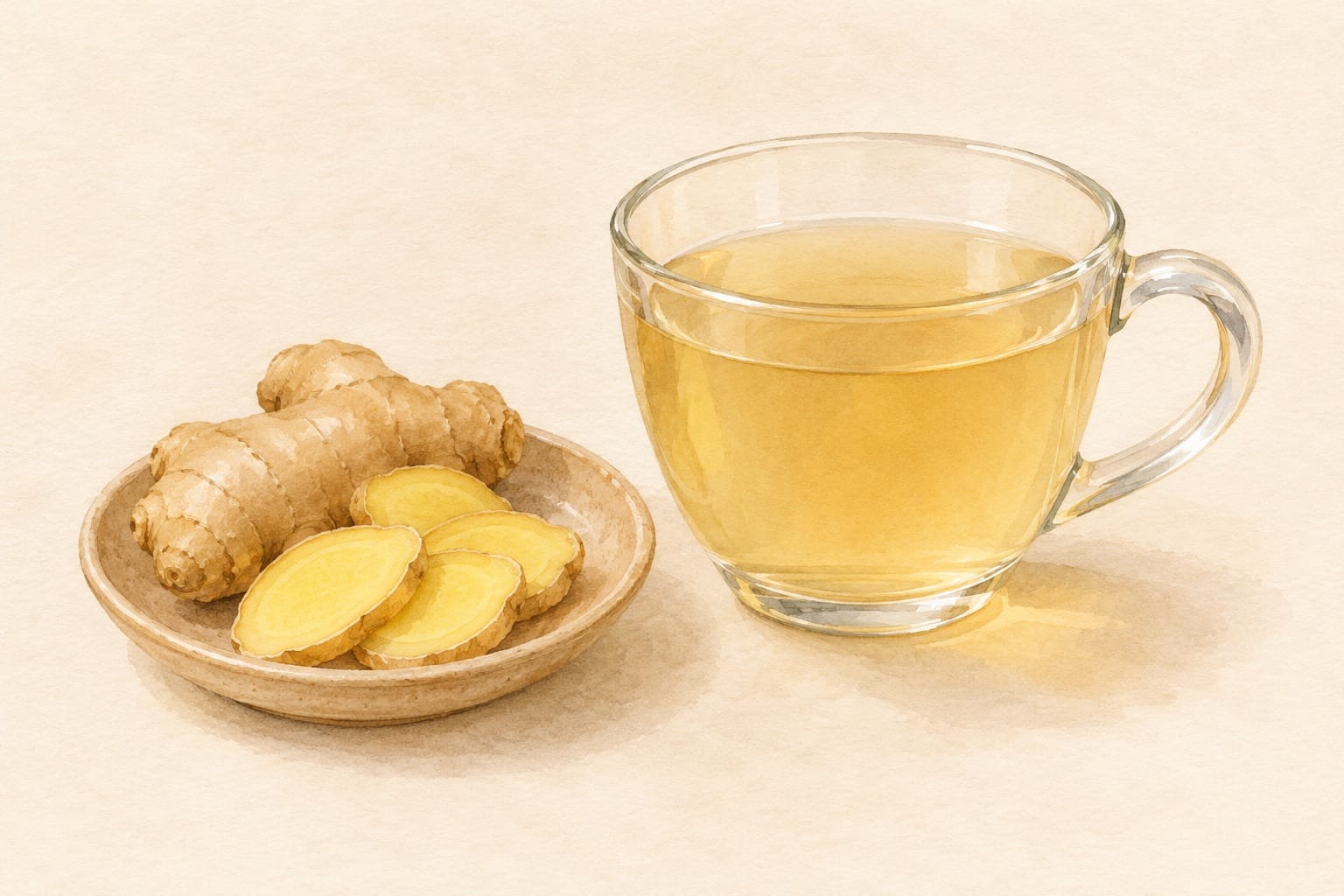
Philippines
Salabat
Warm ginger · peppery · aromatic
No caffeine ingredients in the plain recipe
Unsweetened adaptation of a drink often made with sugar.
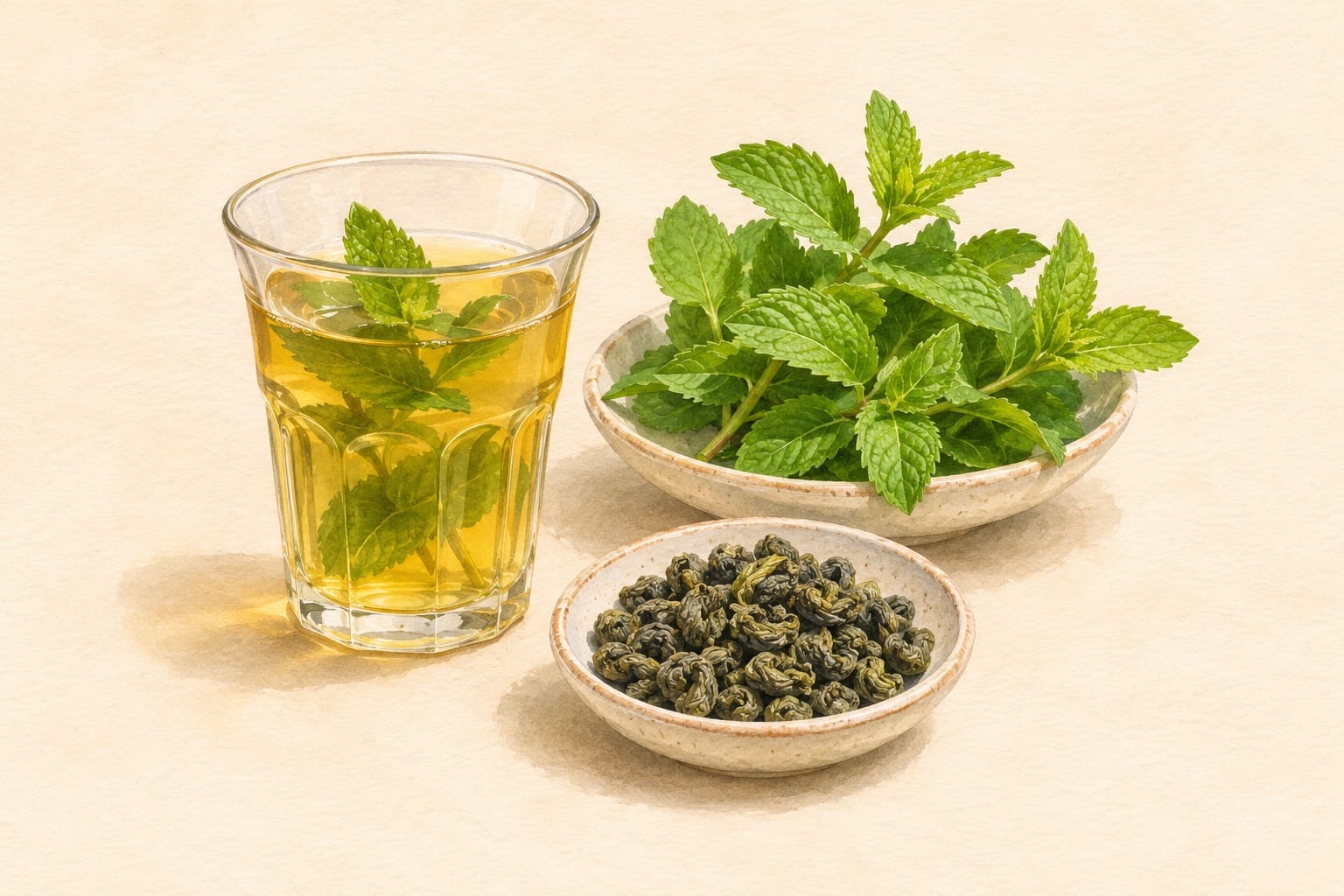
Morocco
Moroccan Mint Tea
Fresh mint · green tea · fragrant
Contains caffeine · unsweetened adaptation
Sugar is deliberately omitted from a traditionally sweetened preparation.
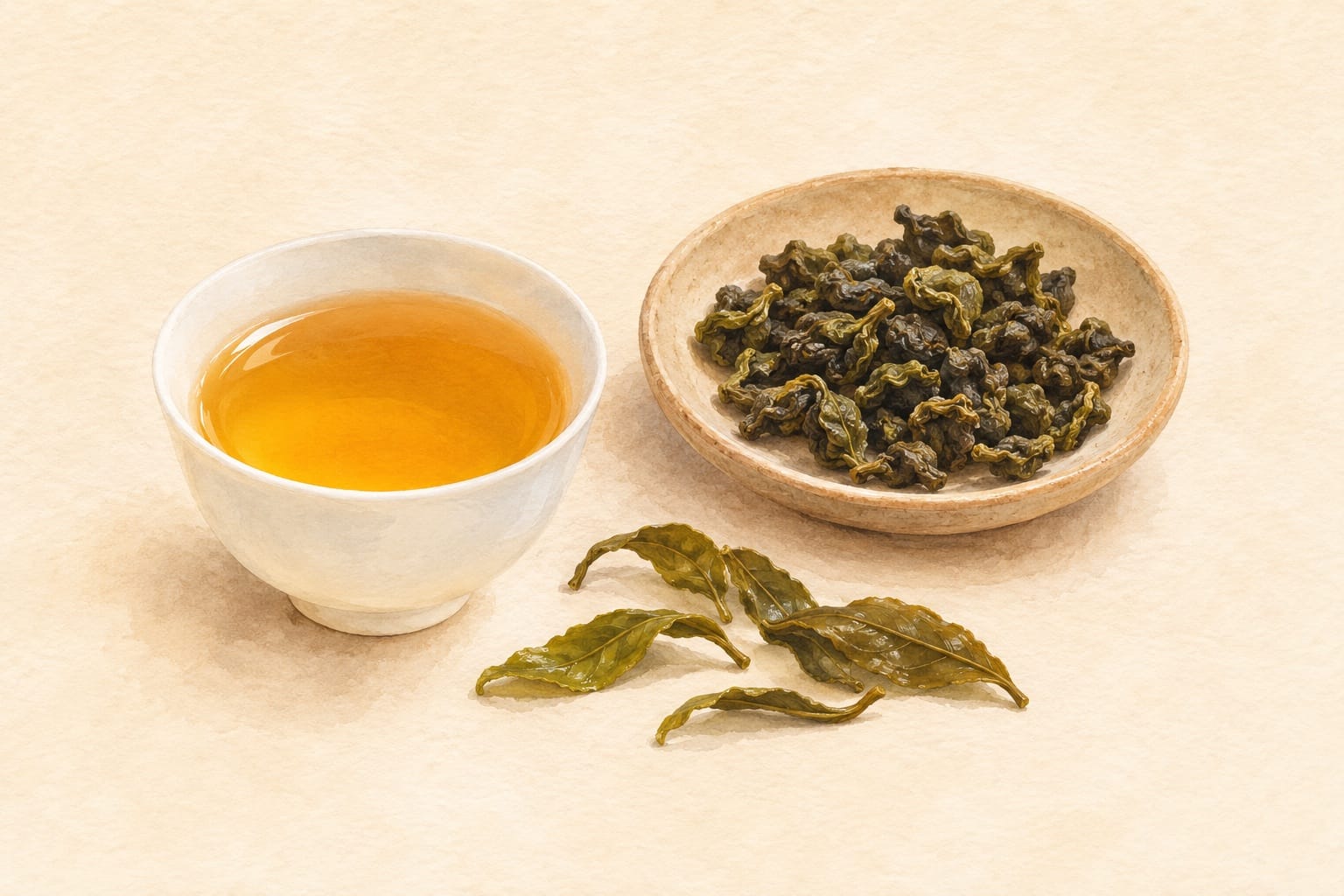
Anxi, Fujian · China
Oolong Tea
Floral or toasted · layered · variable by tea
Contains caffeine · plain leaf tea
Plain leaf tea needs no added sweetener; this is a simple household brew.
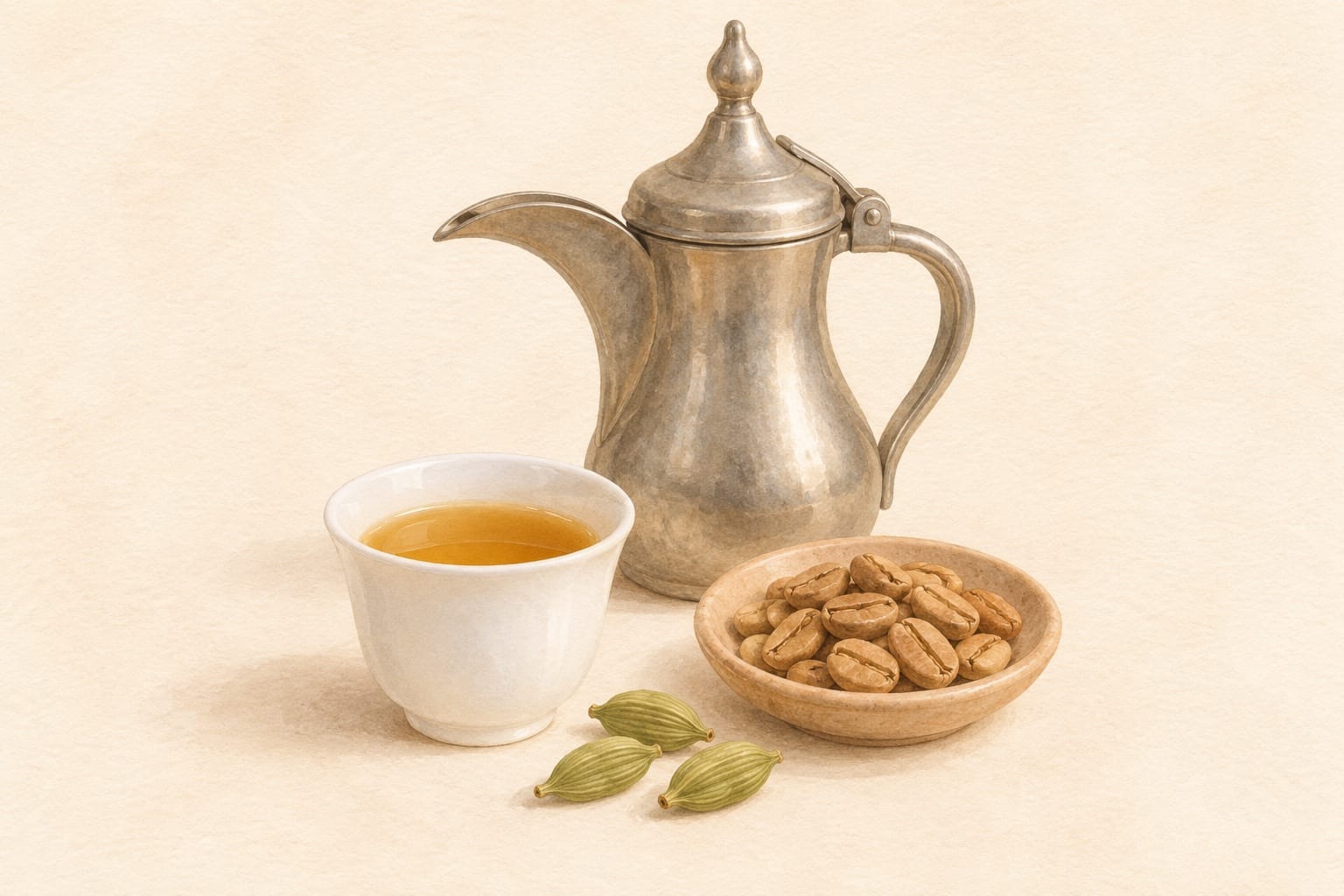
Arabian Gulf · Emirati serving tradition
Arabic Qahwa
Light-roast coffee · cardamom · aromatic
Contains caffeine · small-cup coffee
One simplified Gulf-style household version; regional recipes differ.
Coconut and Indigenous foodways of the Americas
Four more distinct choices, with named cultural sources and clear ingredient guidance. These preparations have no added sugar. Coconut water contains natural sugar; it is not a sugar-free infusion. Yaupon and cacao contain caffeine. Sumac requires a verified food product suitable for the chosen preparation.
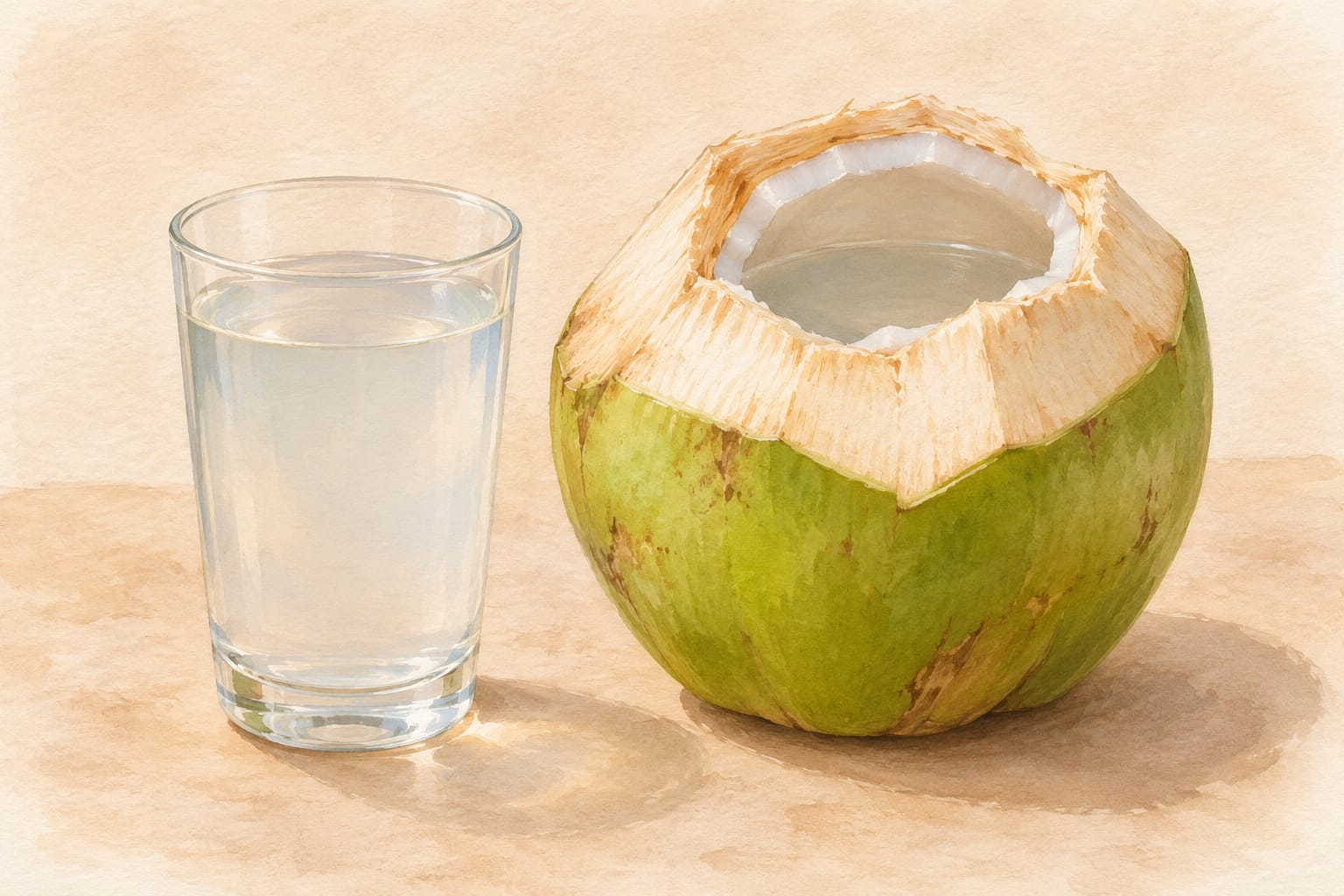
Philippines · coconut foodways
Buko: Young Coconut Water and Philippine Foodways
Delicate · naturally sweet · lightly nutty
No added sugar; naturally occurring sugar remains
No caffeine ingredients in plain coconut water. Plain coconut water, distinct from sweetened buko juice drinks.
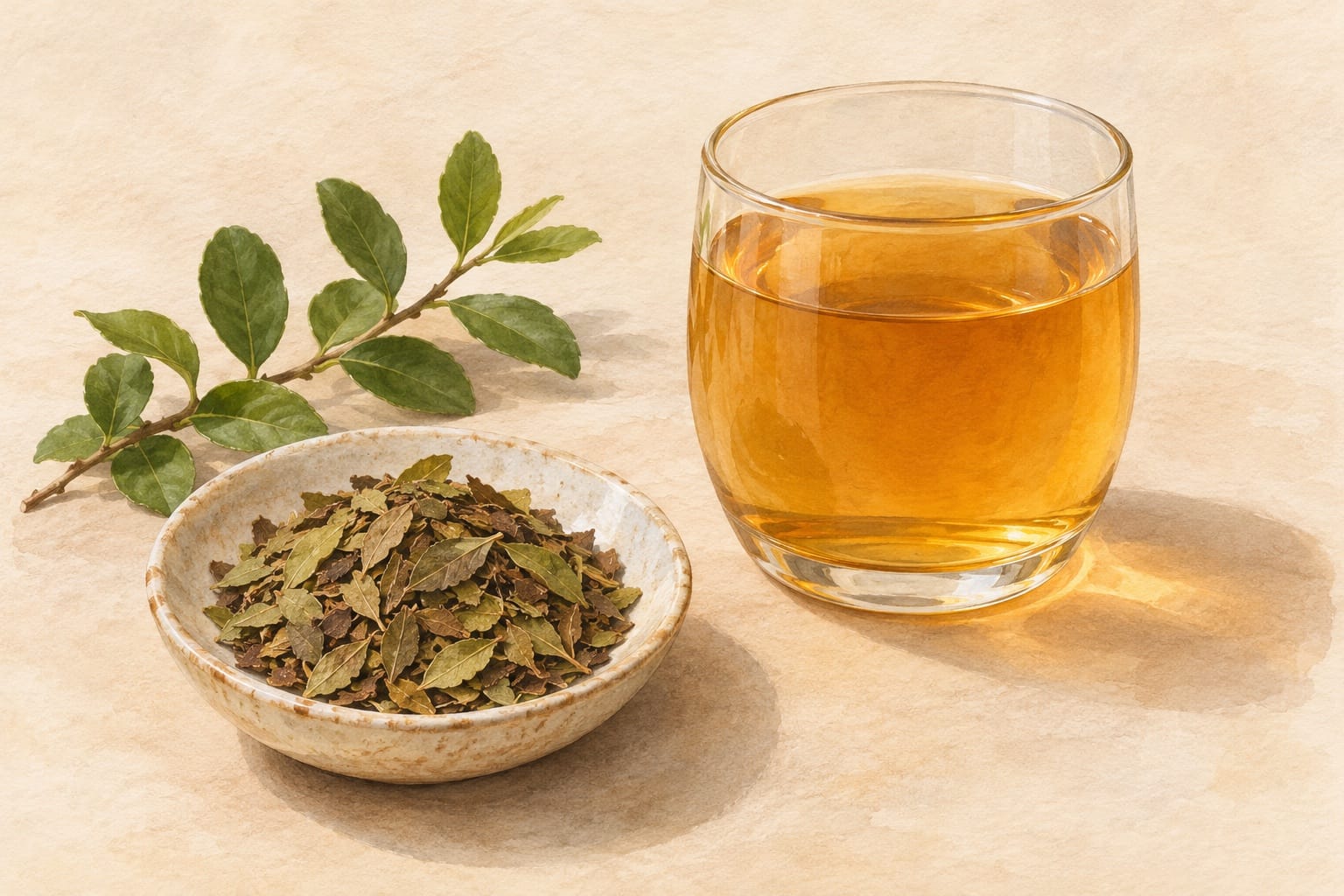
Southeastern North America · Indigenous foodways
Yaupon Tea: A Native Leaf and Southeastern Indigenous Foodways
Roasted leaf · earthy · gently astringent
No sugar or sweetener added in this preparation
Contains caffeine; strength varies. A contemporary everyday cup, not a reproduction of a ceremony.
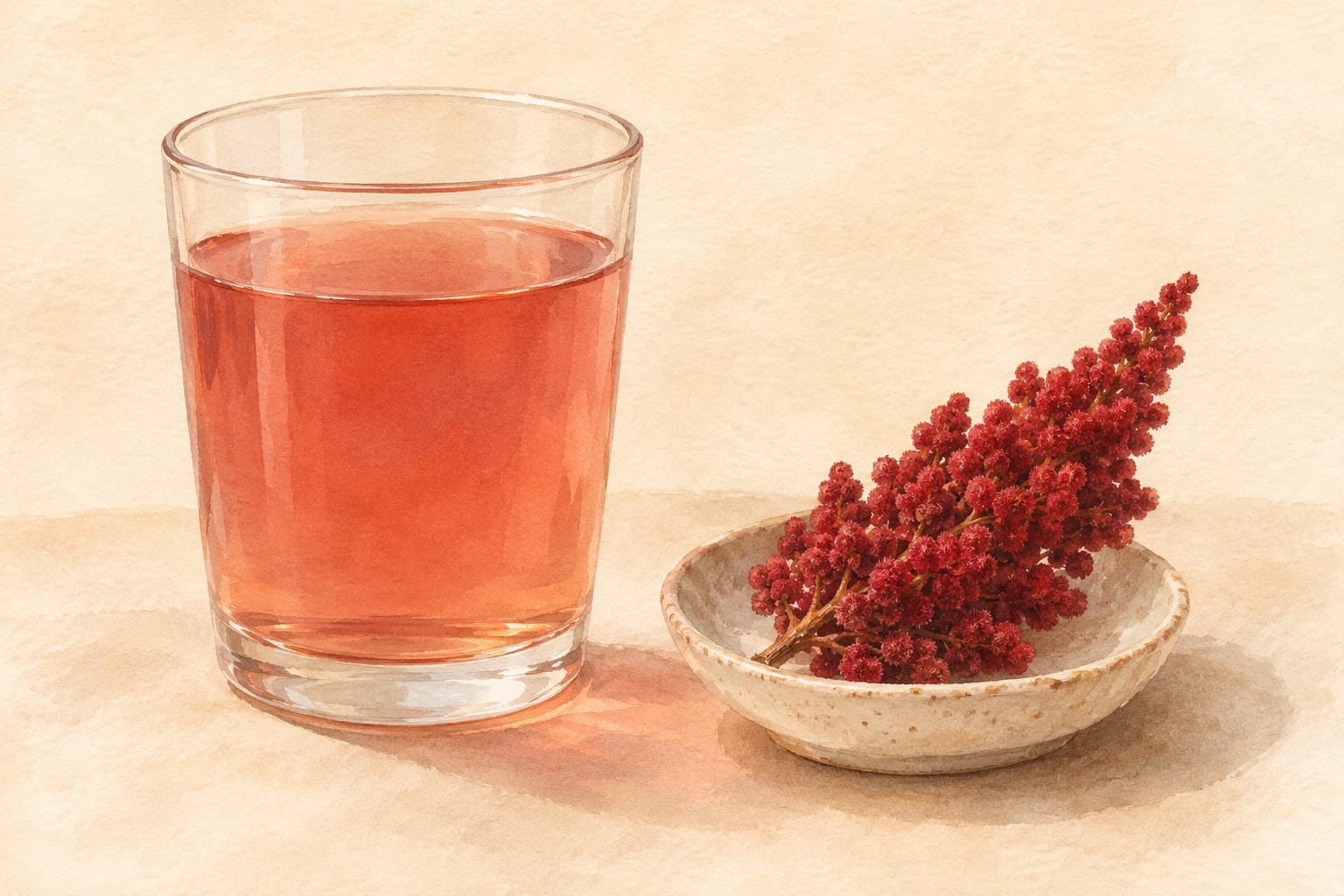
North America · named Indigenous foodway sources
Sumac Berry Infusion: Indigenous Foodways and a Tangy Cup
Tart · fruity · refreshing
No sugar or sweetener added; total sugars not measured
No caffeine ingredients in this plain berry-and-water version. An unsweetened household adaptation with specific food-safety conditions.
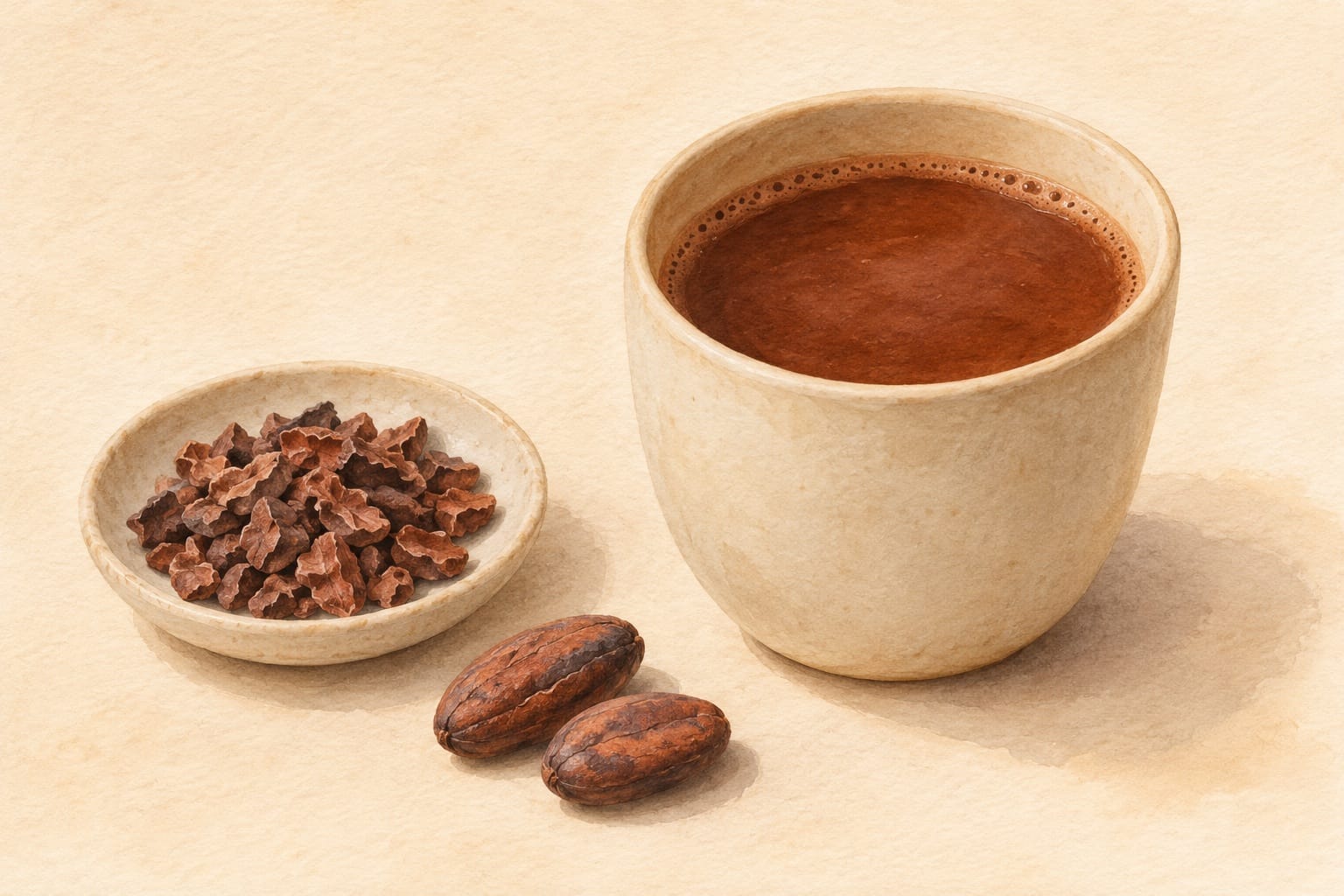
Mesoamerica · Maya cacao heritage
Cacao and Water: A Bitter Cup with Maya Roots
Roasted cacao · bitter · full-bodied
No sugar or sweetener added; not a calorie-free drink
Contains caffeine and theobromine. A contemporary two-ingredient cup, not an exact ancient recipe.
Make room for flavour and belonging
A drink can be part of welcoming a guest, sharing a meal or keeping a family practice alive. This collection puts those experiences at the centre. You do not have to choose between a branded soft drink and plain water every time you want something refreshing.
These pages aim to make inherited knowledge usable in a modern kitchen while giving proper credit to the people and places behind it. Egypt and Sudan share karkadé traditions; Japanese mugicha reflects an evolving roasted-grain history; rooibos carries Khoikhoi and San heritage alongside South African farming knowledge. Plant Resources of Tropical Africa: Hibiscus sabdariffa; Japan Barley Tea Industry Cooperative: history of mugicha (Japanese); South African Rooibos Council: a South African living heritage.
What “without added sugar” means
Our plain recipes add no sugar, honey, syrup, fruit juice or sweetener. This is an ingredient-based statement, not a laboratory measurement of total sugars or a promise of zero carbohydrate. We have not analysed the finished drinks. Plain coconut water contains natural sugar and is not a sugar-free infusion. Check packaged products, portion sizes and café preparations separately.
Where a traditional version is commonly sweetened, we identify our recipe as an unsweetened adaptation. Respecting heritage includes being honest about what we have changed.
Traditional does not mean suitable for everyone
- Hibiscus: read the pregnancy, breastfeeding and medicine precautions before regular use. Egyptian Drug Authority: Hibiscus sabdariffa monograph (2023).
- Barley tea: barley contains gluten. Choose another drink if you have celiac disease or a barley allergy. NIDDK: eating, diet and nutrition for celiac disease.
- Rooibos: naturally caffeine-free does not mean free of all potential interactions. People receiving cancer or transplant treatment should discuss use with their team. Memorial Sloan Kettering: rooibos tea, evidence and precautions.
None of these drinks is presented as a cure, a detox or a replacement for treatment. The aim is a wider choice of enjoyable beverages.
Prepare, cool and serve with care
Use drinking-quality water, clean utensils and ingredients sold for food use. Follow each guide and the product’s preparation instructions. Most dried herbal infusions need freshly boiling water and at least five minutes of steeping, or longer if the pack requires it. The sumac cold preparation is an exception only for a verified food product explicitly suitable for consumption without heating; ordinary dried herbs do not automatically qualify. Coconut water follows its own processing and storage instructions. German Federal Institute for Risk Assessment: boiling water for herbal teas.
For a chilled pitcher, cool promptly in smaller heat-safe containers and refrigerate rather than leaving it warm on the counter. As a conservative household rule, refrigerate within two hours, or within one hour above 32°C / 90°F, and keep the refrigerator at 4°C / 40°F or below. These limits adapt general food-handling guidance; they are not a tested shelf life for these recipes. Make small batches, enjoy freshly prepared, and follow any shorter storage directions on the pack. FDA: safe food handling.
Bring the collection to your table
- Choose one drink whose ingredients are affordable and available locally.
- Follow the individual recipe and packet instructions, and serve the first glass plain.
- If you find it too strong, dilute it with drinking-quality water.
- Share the local name and story with the drink, and credit the community behind it.
Continue in the Food Library
Ancestral foods and their cultural context · Understanding sugary drinks · Explore the Food Library
Keeping ingredients in perspective
All drinks—including water, traditional teas and modern soft drinks—contain chemical substances. The word “chemical” alone does not tell us whether something is harmful. What matters is the substance, the amount consumed and the person drinking it. Modern soft drinks vary in their ingredients and sugar content; compare the actual product rather than assuming every soda is the same. Traditional drinks can offer flavour, cultural connection and options without added sugar, but their long history does not guarantee that every preparation suits everyone. FDA: is food safe if it has chemicals?.
Questions about low-sugar alternatives to soda
Where can I find low-sugar beverages other than soda?
Start with the illustrated guides in this collection: plain hibiscus tea, roasted barley tea, rooibos, ginger tea and leaf teas offer flavour without adding sugar. Each guide identifies the ingredients, cultural context and precautions. We have not measured total sugar in these household recipes; no added sugar is not a certified low-sugar nutrition claim.
What can I drink instead of soft drinks if I do not want plain water?
Choose a flavour you enjoy: tart karkadé, toasted mugicha, mellow rooibos, warm salabat, mint tea or oolong. Coffee, yaupon and cacao offer further choices for adults who tolerate caffeine. Follow the individual guide rather than treating all traditional drinks as interchangeable.
Which traditional drinks have no added sugar and no caffeine ingredients?
The plain hibiscus, barley, rooibos, ginger and sumac preparations here have no caffeine ingredients and add no sweetener. Barley contains gluten; hibiscus, rooibos and other herbal drinks have individual precautions, and sumac requires a verified food product suitable for the preparation. These labels do not mean every drink is suitable for everyone.
Does no added sugar mean sugar-free?
No. No added sugar describes what was put into the drink. Naturally occurring sugars may remain, especially in coconut water. Check total sugars, carbohydrate, portion size and the ingredient list on packaged products. The homemade preparations here have not been laboratory analysed.
Can I serve these drinks cold instead of soda?
Many of the guides include a chilled serving option. Prepare hot infusions as directed, cool promptly and refrigerate. Sumac has separate product-specific cold-infusion requirements, and coconut water follows its package storage instructions. Do not assume every dried herb can be cold-brewed safely.
Where can I buy ingredients for these traditional beverages?
Look for clearly labelled food-grade ingredients at grocery stores, tea shops, cultural food shops or reputable food suppliers. Availability differs by location. Check the species and full ingredient list, including added sugar and tea leaves; use the specialist sourcing conditions in the yaupon and sumac guides. This collection provides recipes, not a list of approved vendors.
Medical disclaimer
Educational resources only. Internets.com cannot provide personal medical advice, diagnosis, treatment recommendations, lab interpretation, or case review.
This information does not replace individual medical or dietary care. Consult a qualified health professional who knows your circumstances about medicines, allergies, pregnancy, breastfeeding, children, or existing illness. Do not stop or change prescribed treatment because of a beverage recipe.
Published 15 November 2026 · Internets Press. Recipes are editorial serving suggestions; no individual medical review is claimed.