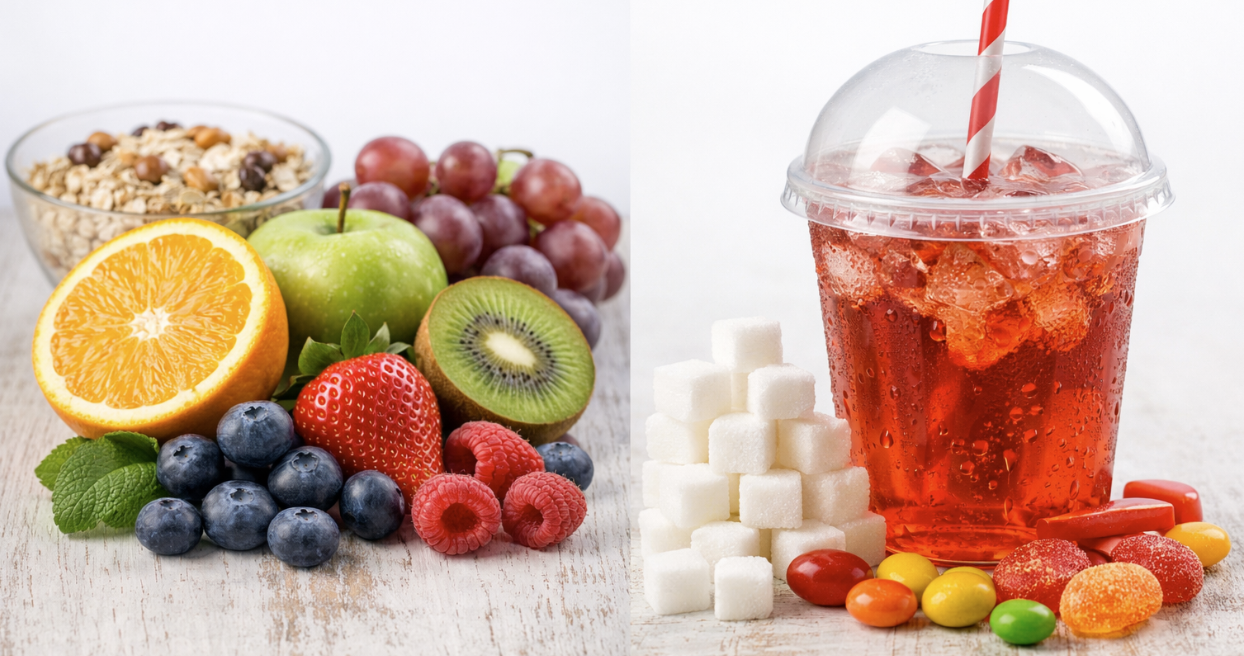
What are sugary drinks?
Sugary drinks include:
- soda and soft drinks
- fruit drinks that are not whole fruit
- sports drinks
- energy drinks
- sweetened iced teas
- sweetened coffee drinks
- bottled beverages with added sugar
These are not whole foods. They are concentrated sugar delivery systems.
Why liquid sugar is different
Liquid sugar behaves very differently from real food.
It requires little digestion, is absorbed rapidly, produces weak satiety signals, and is easy to consume in large amounts.
A person can drink a large sugar load quickly and still feel hungry. Solid foods do not behave this way.
This makes it easy to consume excess energy without reducing appetite.
Rapid absorption and liver exposure
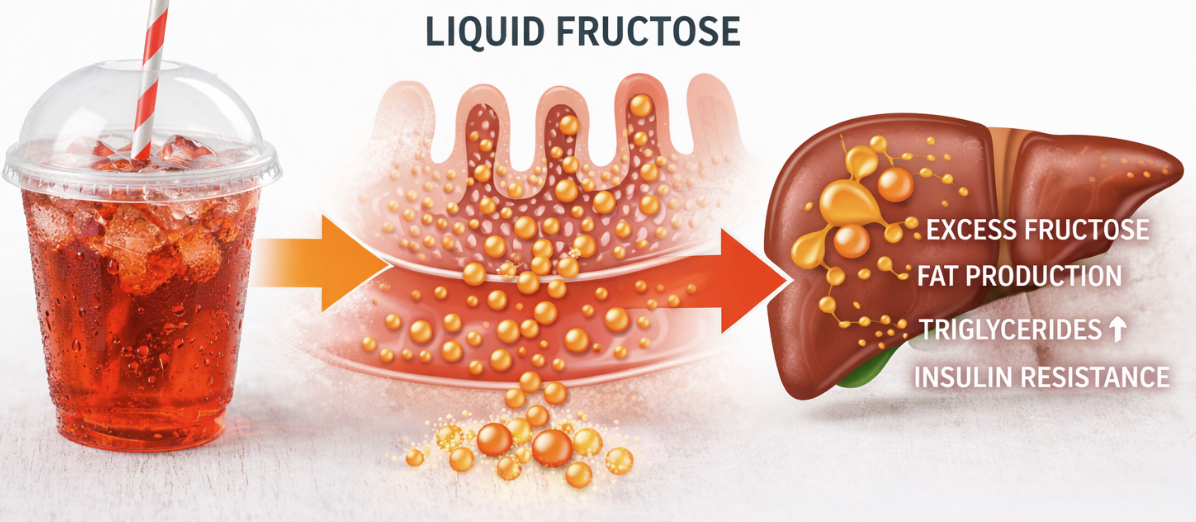
The sugars in these beverages are dissolved and rapidly absorbed in the intestine.
They enter the portal circulation and are delivered directly to the liver.
Glucose can be distributed throughout the body, but fructose is handled primarily by the liver. This links sugary drinks directly to:
- fructose metabolism
- de novo lipogenesis
- triglyceride production
- insulin signaling disruption
These pathways are central to metabolic disease.
The global shift
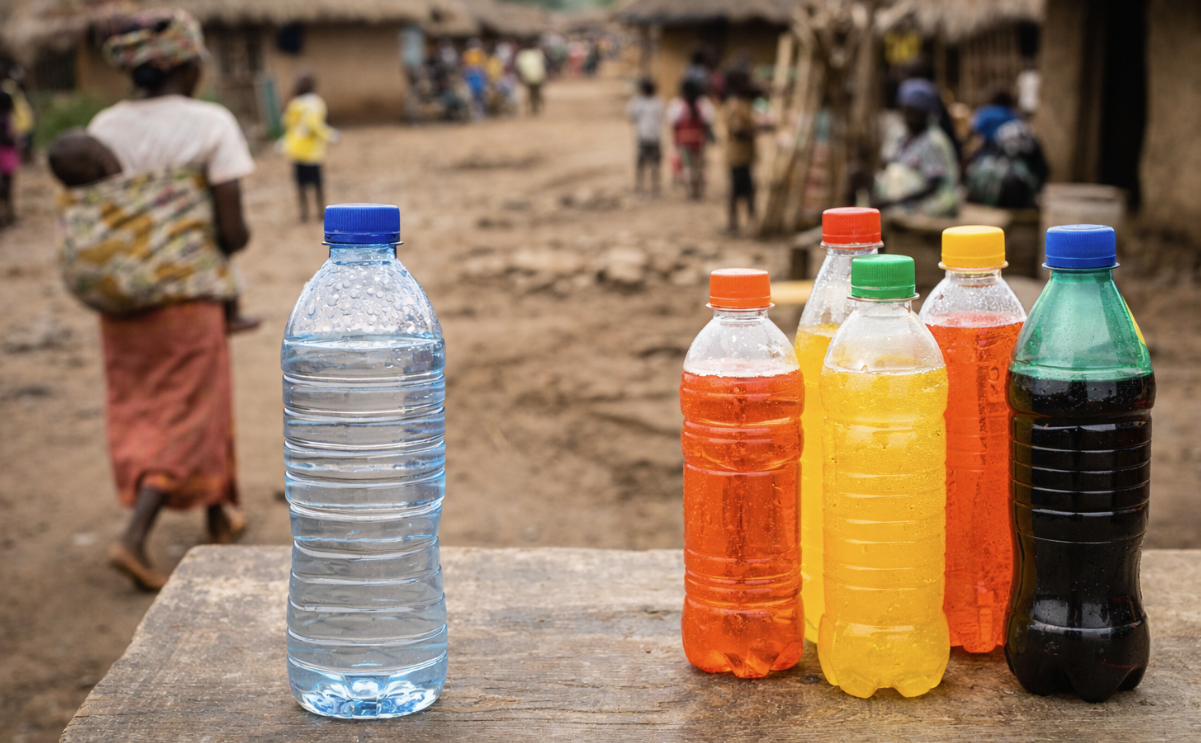
Even in remote communities, traditional beverages have been displaced.
Worldwide, in many retail settings, the beverage choice is only water or sweetened industrial sodas. This shift has occurred very rapidly and is part of the global metabolic crisis.
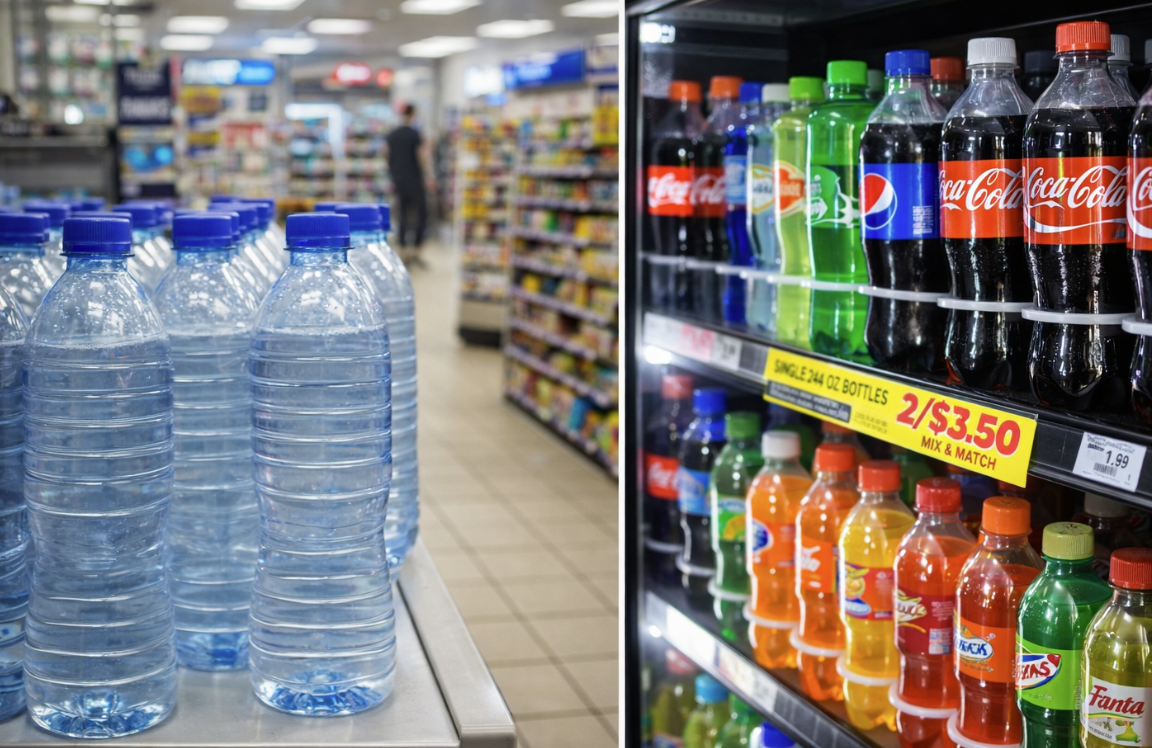
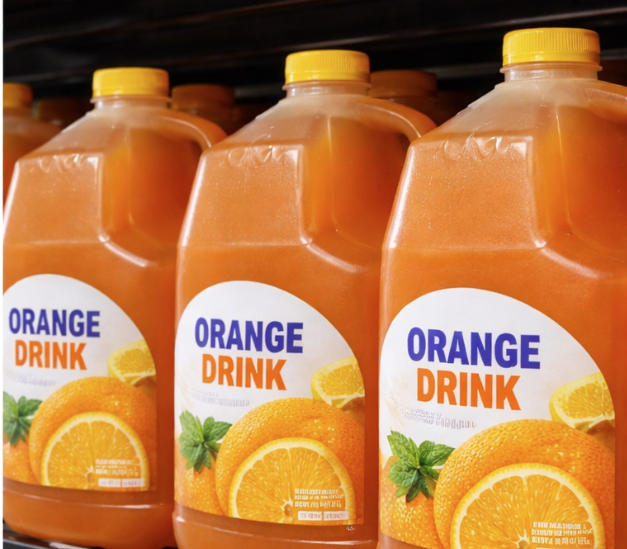
The consumer seeking fruit based beverages is now faced with a choice of freshly squeezed fruit or a large container of "concentrated" fruit juice, which is extremely low in fiber and nutrients and very high in fructose or other added sugar. Few consumers know to dilute these concentrates by a factor of 10 to 1 or 20 to 1 to get the fructose content to under 10 grams per drink.

Evidence in The Literature
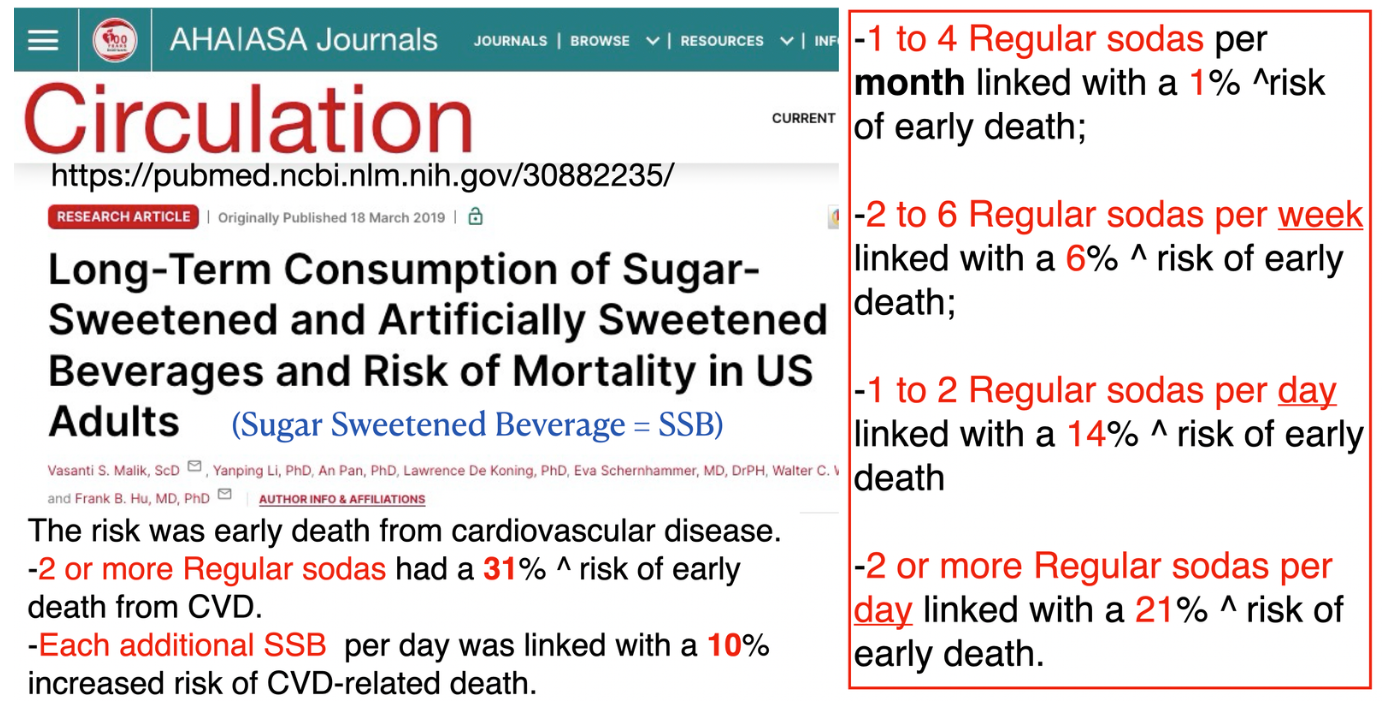
Medical research has published many multiple scientific studies in the International literature, showing a direct link between the amount of sugar sweetened beverage consumption and reduced lifespan. Here is pivotal one from the American Heart Association's journal, Circulation.
Public health perspective
Sugary drinks deliver large amounts of rapidly absorbed sugar, so they have become a major focus of public health efforts.
Common approaches include:
- promoting water and unsweetened beverages
- improving food environments
- education about added sugar intake
- policy measures such as labeling or taxation
These strategies aim to reduce excess sugar exposure at a population level.
A simple rule
If you change only one thing, remove sugary drinks.
This single step reduces sugar exposure quickly and has a measurable impact on metabolic health.
Better choices
Safer options include:
- water
- unsweetened sparkling water
- unsweetened tea
- coffee without added sugar
- whole fruit instead of juice or fruit drinks
Bottom line
Sugary drinks especially fructose, are the fastest, simplest way to overload liver metabolism.
Fructose burden the liver, and help drive obesity, diabetes, fatty liver disease, and cardiovascular disease.
Reducing or removing them is one of the most effective steps in modern nutrition.
Related pages
Safe Foods
Bread
Rice
Fructose Metabolism
De Novo Lipogenesis
Ultra-Processed Foods and the Modern Diet
Key takeaways. Sugar-sweetened beverages include sodas, fruit drinks, sweetened teas and coffees, energy and sports drinks, flavoured waters and many sweetened milk drinks. Whole fruit is different because its sugars remain within an intact fibre-rich food structure.
Added Sugar and Free Sugar
Added sugars are introduced during manufacturing, cooking or preparation. The World Health Organization’s broader term free sugars also includes sugars naturally present in honey, syrups, fruit juices and fruit-juice concentrates, but not sugars enclosed within intact fruit or naturally present in milk.
WHO recommends limiting free sugars to less than 10% of total energy intake throughout life; reducing intake to 5% or less may provide additional benefits. For a 2,000-kilocalorie diet, 10% is approximately 50 grams, although individual energy needs differ.
Why Beverages Deserve Separate Attention
Liquid sugar is consumed quickly and provides little of the chewing, intact structure or fibre found in whole fruit. A large beverage can therefore deliver a substantial sugar load before normal meal-related satiation develops. Sugary drinks should be assessed by serving size as well as sugar concentration.
What Long-Term Studies Show
Prospective cohort studies consistently associate higher sugary-drink intake with obesity, type 2 diabetes, hypertension and cardiovascular mortality. These studies can adjust for many confounders but cannot prove causation by themselves. A 2020 dose-response meta-analysis of 39 articles reported higher risks across several outcomes for each additional 250 mL per day; the authors emphasized heterogeneity and the observational design.
Malik and colleagues followed participants in two large United States cohorts and reported a graded association between sugar-sweetened beverage consumption and mortality, driven primarily by cardiovascular mortality. These results describe population-level associations and should not be converted into a prediction of an individual lifespan.
Children and the Commercial Food Environment
Children can be exposed through school environments, sports marketing, convenience stores, digital advertising and family purchases. Effective prevention includes appealing access to safe water, restrictions on harmful marketing, clear labels and school standards—not blame directed at children or parents.
Beverage Taxes and Reformulation
WHO identifies excise taxes on sugar-sweetened beverages as an evidence-based policy option. A well-designed policy can encourage smaller purchases and product reformulation while raising revenue. Evaluation should examine prices, consumption, substitution, equity and health outcomes. Taxes are most useful when paired with safe drinking water and healthy food access.
Practical Beverage Choices
- Make water the routine drink.
- Choose unsweetened tea or coffee when appropriate.
- Eat whole fruit more often than drinking fruit juice.
- Check serving size and added sugar on ready-to-drink coffee, tea and flavoured milk.
- Sports drinks are generally unnecessary for ordinary daily activity.
- People using insulin or glucose-lowering medicines should discuss major dietary changes with their clinician.
Selected Sources
- World Health Organization: Healthy diet
- WHO manual on sugar-sweetened beverage taxation policies
- Qin P et al. Sweetened beverages and obesity, diabetes, hypertension and mortality: dose-response meta-analysis.
- Malik VS et al. Long-term consumption of sweetened beverages and mortality.
Food Section Navigation
Foundations: Evolution and Diet • Genes and Food • Ancestral Foods • The Modern Diet • Western Diet and Environment • Sugar, Processing, and Policy: History of Sugar (Before 1984) • History of Sugar (After 1984) • Sugary Drinks • International Dietary Practices • USDA Dietary Guidelines • Glycemic and Starch Framework: Glycemic Index vs Load • Safe Starches • Dangerous Starches • Practical Food Pages: Root Crops • Legumes • Safe Nuts • Rice • Bread