The Core Principle
Not all carbohydrates are harmful.
Safe starches are defined by:
- Intact structure
- Minimal processing
- Slower digestion
- Traditional human use
👉 The key variable is structure, not just carbohydrate content.
Category 1 — Root and Tuber Starches


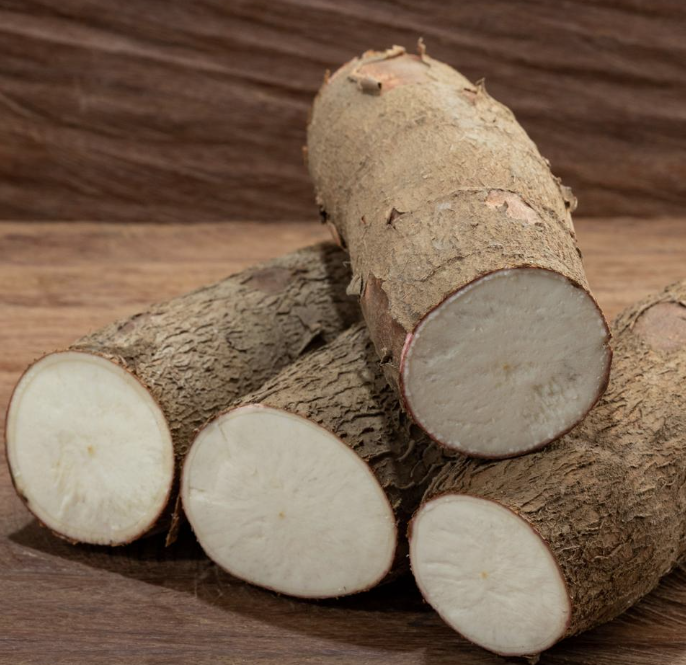
Examples:
- Potato
- Sweet potato
- Taro
- Yam
- Cassava (whole form)
Why they are safe:
- Intact cellular matrix
- Naturally packaged starch
- Slower digestion than processed equivalents
Clinical note:
Cooling after cooking increases resistant starch, improving metabolic response.
Category 2 — Whole Grains (Minimally Processed)
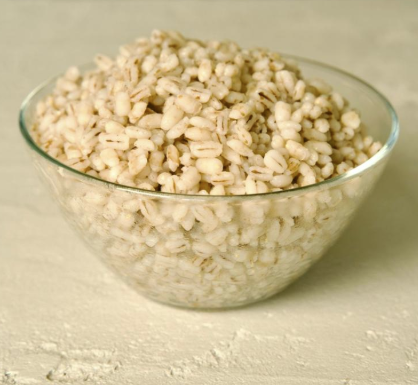

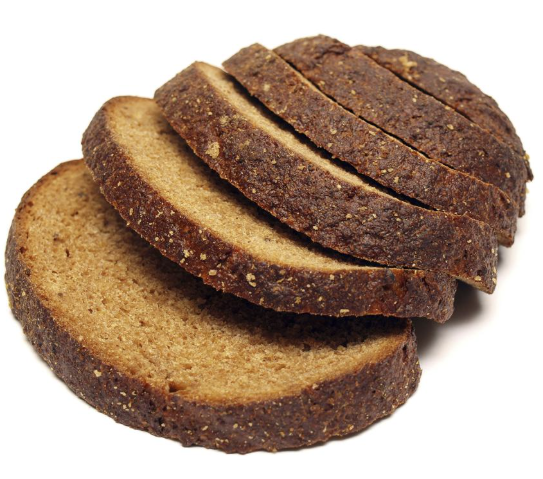
Examples:
- Rye (dense, traditional breads)
- Steel-cut oats
- Barley
- Quinoa
- Millet
Why they are safe:
- Higher fiber
- Slower glucose absorption
- Often fermented or traditionally prepared
Important distinction:
Whole grain ≠ processed grain
👉 Steel-cut oats ≠ instant oats
Category 3 — Legumes (The Most Metabolically Stable Starch)
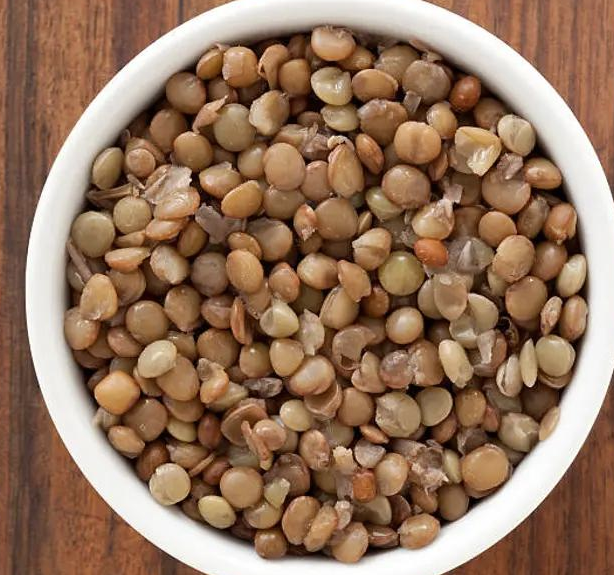
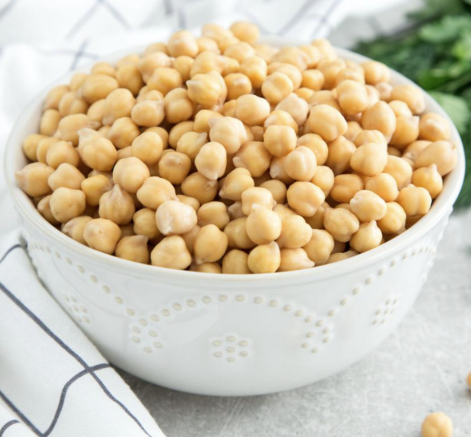
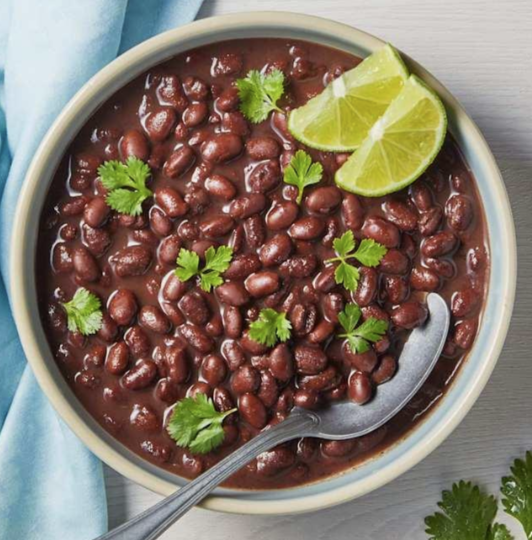
Examples:
- Lentils
- Chickpeas
- Black beans
- Mung beans
- Split peas
Why they are safe:
- High fiber + protein
- Very low glycemic response
- Strong satiety
👉 Among the most metabolically protective carbohydrate sources
Category 4 — Lower-Glycemic Rice Options
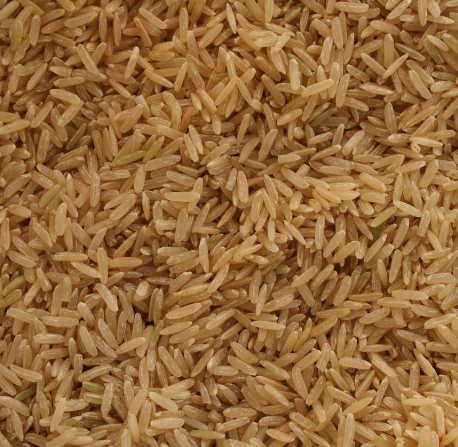
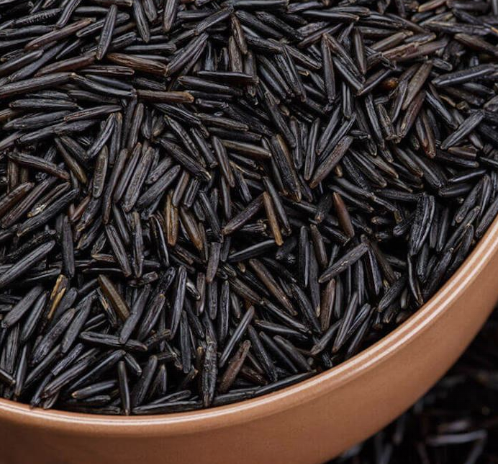
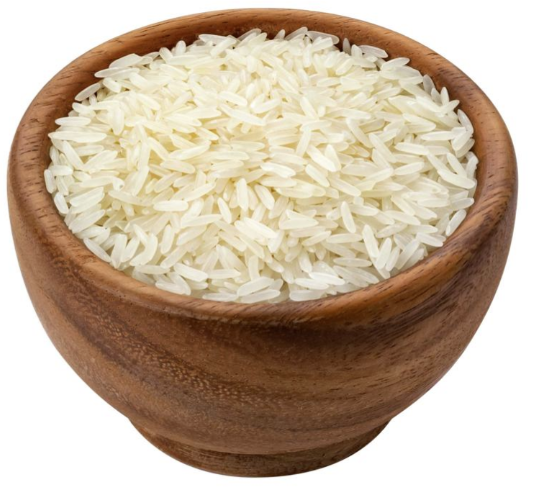
Better choices:
- Basmati rice
- Parboiled rice
- Wild rice
Use with awareness:
- Brown rice (variable)
Avoid frequent use:
- Jasmine rice
- Sticky rice
- Instant rice
- Congee
What Makes a Starch “Unsafe”?
The shift from safe → dangerous occurs when:
- Structure is destroyed (milling, extrusion)
- Starch is pre-digested (instant foods)
- Sugar is added
- Texture becomes soft, smooth, or highly processed
👉 Processing converts slow starch → fast glucose
Practical Upgrade Strategy
| Replace This | With This |
|---|---|
| White bread | Rye / whole grain |
| Instant oats | Steel-cut oats |
| Instant rice | Basmati / parboiled |
| Processed snacks | Legumes / nuts |
| Sugary cereal | Traditional grains |
Clinical Pearl
Populations consuming traditional starches—roots, legumes, intact grains—
had low rates of metabolic disease
until processed carbohydrates entered the food supply.
Bottom Line
Safe starches are not about eliminating carbohydrates.
They are about:
- Preserving structure
- Minimizing processing
- Respecting traditional food patterns
👉 Choose foods that still resemble their original biological form.
Suggested Internal Links
- Dangerous Starches
- Glycemic Index vs Load
- Rice Glycemic Index, Safe vs Dangerous
- Metabolic Disease
- Ancestral Diets
Food Structure Matters More Than the Word Starch
Summary: A starch is not automatically safe or dangerous. The metabolic effect depends on food structure, processing, fiber, portion size, preparation, and the rest of the meal.
Whole-food starches such as root crops, legumes, intact grains, and traditional mixed meals tend to arrive with fiber, water, texture, protein, minerals, and chewing. Refined starches, sweetened snacks, and many ultra-processed grain products are easier to overeat and can deliver glucose quickly with weaker satiety.
Resistant starch is one reason preparation matters. A 2026 integrative review reported that resistant starch, especially RS2 and RS3, has been associated in clinical studies with improvements in post-meal glucose and insulin responses, lipid markers, and gut-hormone signaling, while also noting that study methods and doses vary.
Plain answer: safer starches are usually whole or minimally processed, eaten in realistic portions, paired with protein or vegetables, and prepared in ways that preserve texture, fiber, and satiety.
Sources: Calegari V.C. et al., resistant starch review, 2026, PMID 42060241; Dietary Guidelines for Americans, 2025-2030, USDA Food and Nutrition Service.
Key takeaways. “Safe starch” is a practical framework rather than a formal clinical category. Intact structure, fibre, portion size, preparation and meal context usually matter more than whether a food is labelled carbohydrate.
What Makes a Starch Metabolically Gentler?
Starch is built from glucose chains, but foods deliver it in different physical structures. Intact grains, beans and many root crops require more chewing and digestion than finely milled, puffed or pre-gelatinized products. Amylose-rich varieties and foods containing resistant starch may also produce a lower average post-meal glucose response.
Preparation Can Change the Response
Long cooking and mashing can make starch more accessible to digestive enzymes. Cooling cooked rice, potatoes or legumes can increase resistant starch, and reheating may preserve part of that effect. The change is generally modest and should not be used to justify very large portions.
Traditional Foods and Cultural Context
Examples of useful staple foods include beans and lentils, taro, yam, cassava prepared safely, sweet potato, true basmati and parboiled rice, oats, barley, millet, sorghum and maize in minimally processed forms. No single list fits every region. Availability, customary preparation, allergies, kidney disease and household food security must be considered.
Building the Meal
- Begin with a realistic starch portion rather than an unrestricted serving.
- Add non-starchy vegetables where available.
- Include legumes, eggs, fish, dairy or another appropriate protein source.
- Choose water instead of a sugary beverage.
- Compare personal glucose responses when clinically appropriate.
Who Needs Individual Advice?
People with diabetes, pregnancy, chronic kidney disease, gastrointestinal disorders or medicines that can cause hypoglycaemia may need individualized carbohydrate targets. A culturally familiar food should not be labelled safe or unsafe without considering the person, portion and preparation.
Evidence Summary
Randomized trials indicate that many whole-grain foods reduce acute post-meal glucose and insulin responses compared with refined alternatives, although longer-term effects vary. This supports replacing refined starches with structurally intact foods, while preserving uncertainty about specific products and individual responses.