The Core Problem
The issue is not “carbohydrates.”
The issue is how modern starches have been altered:
- Mechanically refined
- Structurally destroyed
- Rapidly absorbed
These foods behave less like traditional starches and more like glucose delivery systems.
Category 1 — Refined Flour Products


Examples:
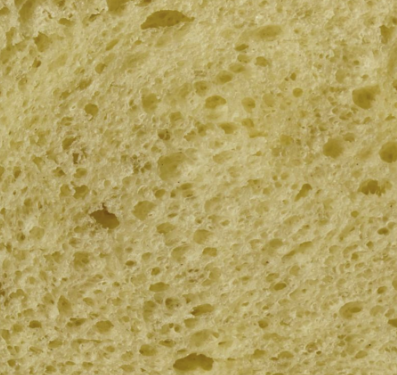
- White bread
- Bagels
- White pasta
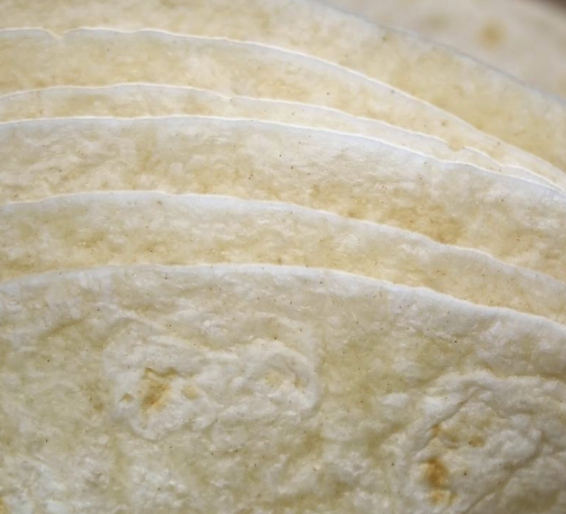
- Flour tortillas
- Crackers
Why they are dangerous:
- Fiber removed
- Structure pulverized
- Rapid digestion → high glycemic response
Clinical note:
Finely milled flour can produce glucose responses similar to sugar.
Category 2 — Instant and Highly Processed Grains


Examples:
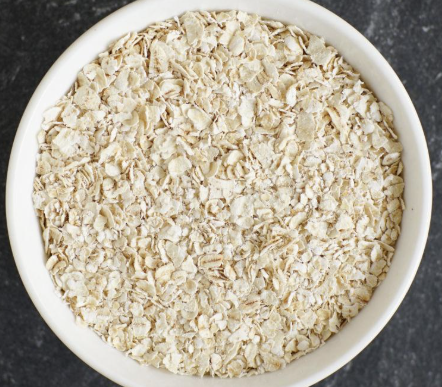
- Instant oatmeal
- Instant rice
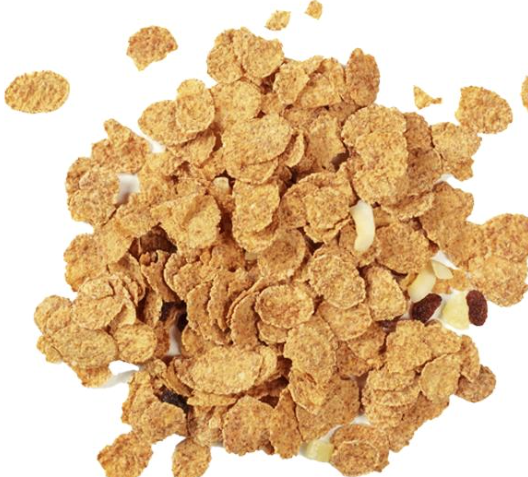
- Breakfast cereals, especially sweetened
- Quick-cook grains
Why they are dangerous:
- Pre-cooked and processed
- Starch already gelatinized
- Extremely rapid absorption
Why instant oatmeal belongs in this category
The issue is not added sugar. It’s processing and starch accessibility.
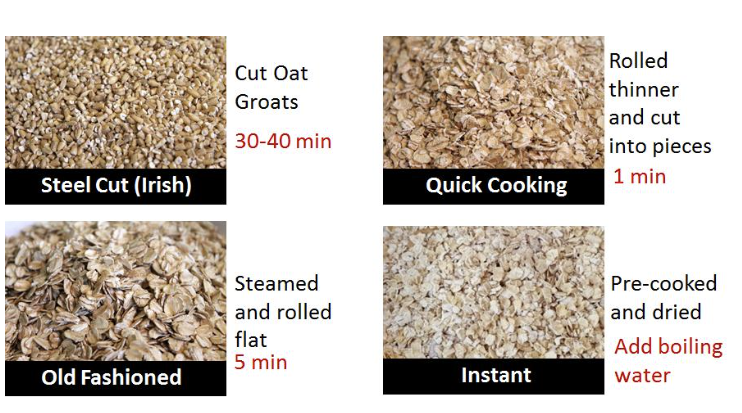
1) Particle size and structure
- Steel-cut oats → intact groats → slow digestion
- Rolled oats → flattened → moderate digestion
- Instant oats → pre-cooked, thin, fragmented → very rapid digestion
👉 The more the grain is broken down, the more surface area for enzymes.
2) Pre-gelatinization (the key step)
Instant oatmeal is:
- Pre-cooked (gelatinized)
- Then dried
So when you add hot water:
- Starch is already in an “open” state
- Digestion begins almost immediately
👉 Functionally closer to a rapid glucose source
3) Texture tells the story
- Chewy, intact oats → slower absorption
- Soft, smooth, “mushy” oats → faster absorption
👉 Texture is a clinical proxy for glycemic behavior
4) Glycemic impact (typical pattern)
- Steel-cut oats → low–moderate GI
- Rolled oats → moderate GI
- Instant oats → moderate–high GI
Even without sugar added.
Where Muesli Fits
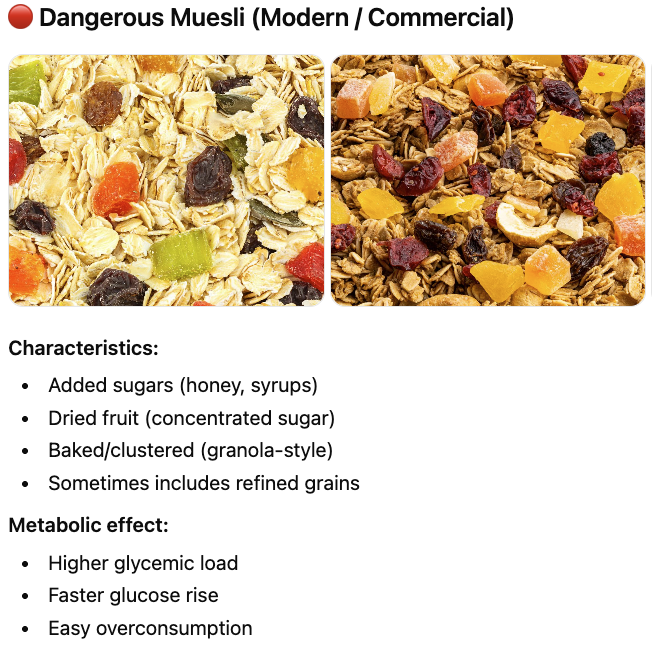
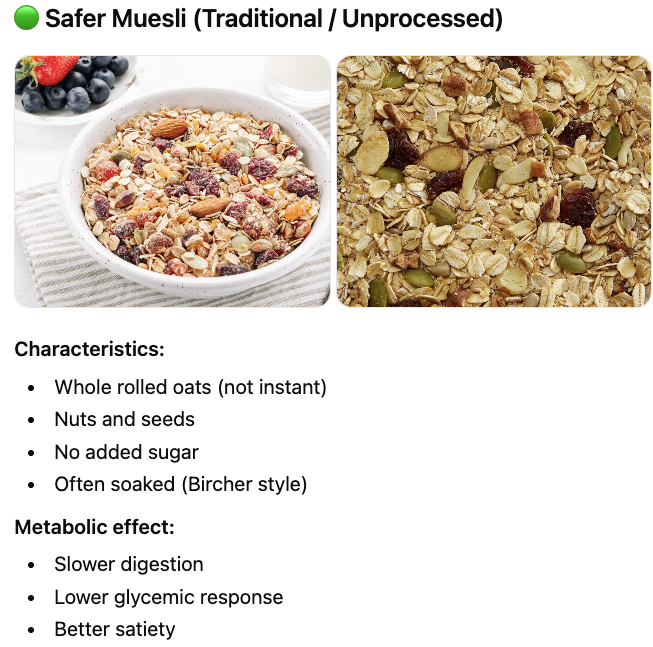
Key takeaways. “Dangerous starch” is a practical description, not a formal medical category. Risk depends on processing, portion size, frequency, individual glucose regulation and the complete meal. The greatest concern is repeated exposure to large portions of rapidly digested, low-fibre starches, especially when combined with added sugars and fats.
What Industrial Processing Changes
Milling removes physical structure and reduces particle size. Extrusion, puffing and pre-gelatinization cook and reshape starch so that it can hydrate and digest rapidly. These processes make instant cereals, crackers, chips and many packaged noodles convenient, but they can also produce a faster glucose response than intact grains or legumes.
Instant Noodles and Ramen
Instant noodles are usually made from refined flour that has been pre-cooked and dried, often by frying. The metabolic issue is not ramen as a cultural dish; it is the industrial product’s combination of refined starch, rapid preparation, sodium and sometimes added fat. A meal can be improved by using a smaller noodle portion, adding vegetables and protein, and using less of a high-sodium seasoning packet.
Rice Products and Starch Structure
Intact rice varieties differ in amylose content, grain structure and cooking response. Instant rice, puffed rice snacks, rice crackers, broken rice and long-cooked rice porridge often present starch in a more rapidly available form. This does not make rice inherently unhealthy. Variety, cooking, cooling, portion size and accompanying foods all matter.
The Sugar–Starch Combination
Many modern snack foods combine finely milled starch with added sugar, fat and salt. This formulation can increase energy density and encourage rapid eating. Examples include sweet biscuits, doughnuts, pastries, frosted cereals and many packaged desserts. These products should not be confused with minimally processed staple foods simply because both contain carbohydrate.
A More Precise Replacement Strategy
- Replace instant or puffed grains with intact or minimally processed grains when practical.
- Choose legumes, root crops or higher-amylose rice as alternatives to refined starch products.
- Add vegetables and a protein source to slow eating and improve meal balance.
- Use the glycemic load—not the glycemic index alone—to consider both carbohydrate quality and portion.
- For diabetes, prediabetes or reactive hypoglycaemia, use individualized monitoring and clinical advice.
Evidence and Limitations
Randomized trials support lower acute glucose and insulin responses for many whole-grain foods compared with refined counterparts. However, laboratory averages cannot predict every person’s response, and the same food may behave differently after changes in cooking, cooling or portion size. Continuous glucose monitors can provide useful clinical information for selected patients, but they should not turn normal dietary variation into a diagnosis.
Selected Sources
- Whole-grain intake and glycaemic control: systematic review and meta-analysis of randomized trials
- World Health Organization: Healthy diet
- Internets: Rice, blood sugar and glycemic response
- Internets: Safe starches
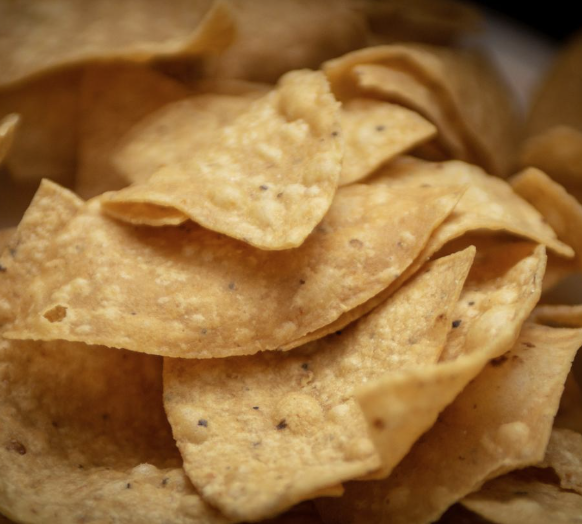
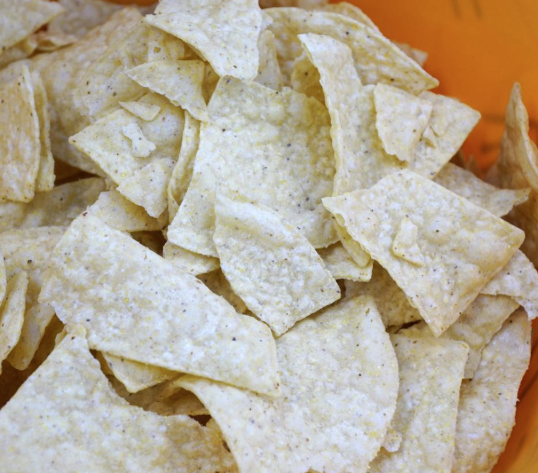
Category 3 — Snack Foods and Packaged Carbs
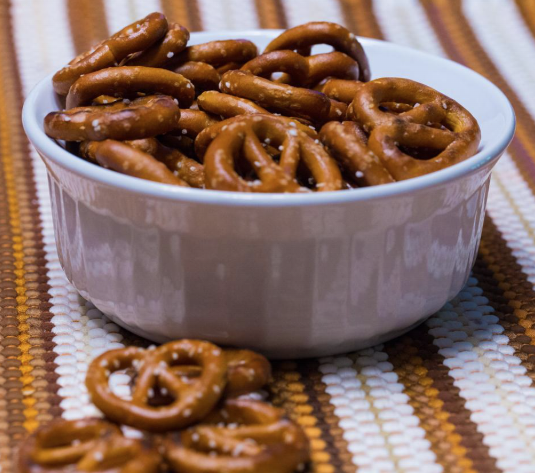

Examples:
- Chips
- Pretzels
- Processed crackers
- Corn snacks
Why they are dangerous:
- Refined starch + industrial processing
- Often combined with oils and salt
- Highly palatable → easy overconsumption
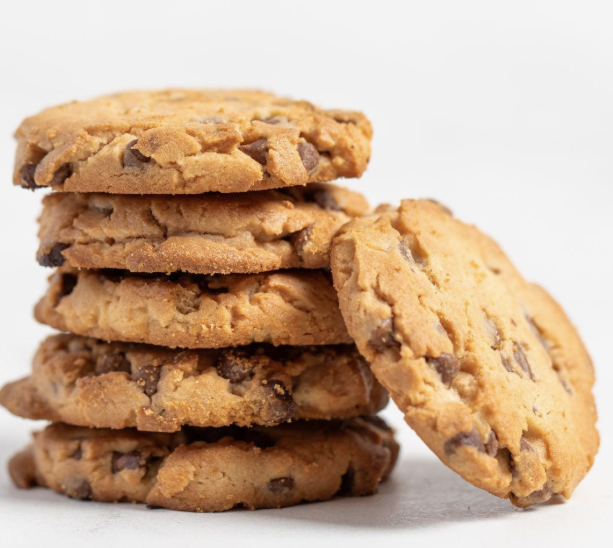
Category 4 — Sugar-Starch Combinations



Examples:
- Pastries
- Donuts
- Cakes
- Cookies
Why they are dangerous:
- Combine rapid starch + added sugar
- Amplified insulin and metabolic stress
- Strong reward signaling → repeated exposure
What Actually Changed
Traditional starches:
- Intact
- Slowly digested
- Paired with fiber and nutrients
Modern starches:
- Pulverized into flour
- Reassembled into products
- Engineered for speed and taste
Metabolic Consequences
Frequent exposure to high-GI processed starches contributes to:
- Insulin resistance
- Central adiposity
- Fatty liver (MASLD)
- Type 2 diabetes
- Cardiovascular disease
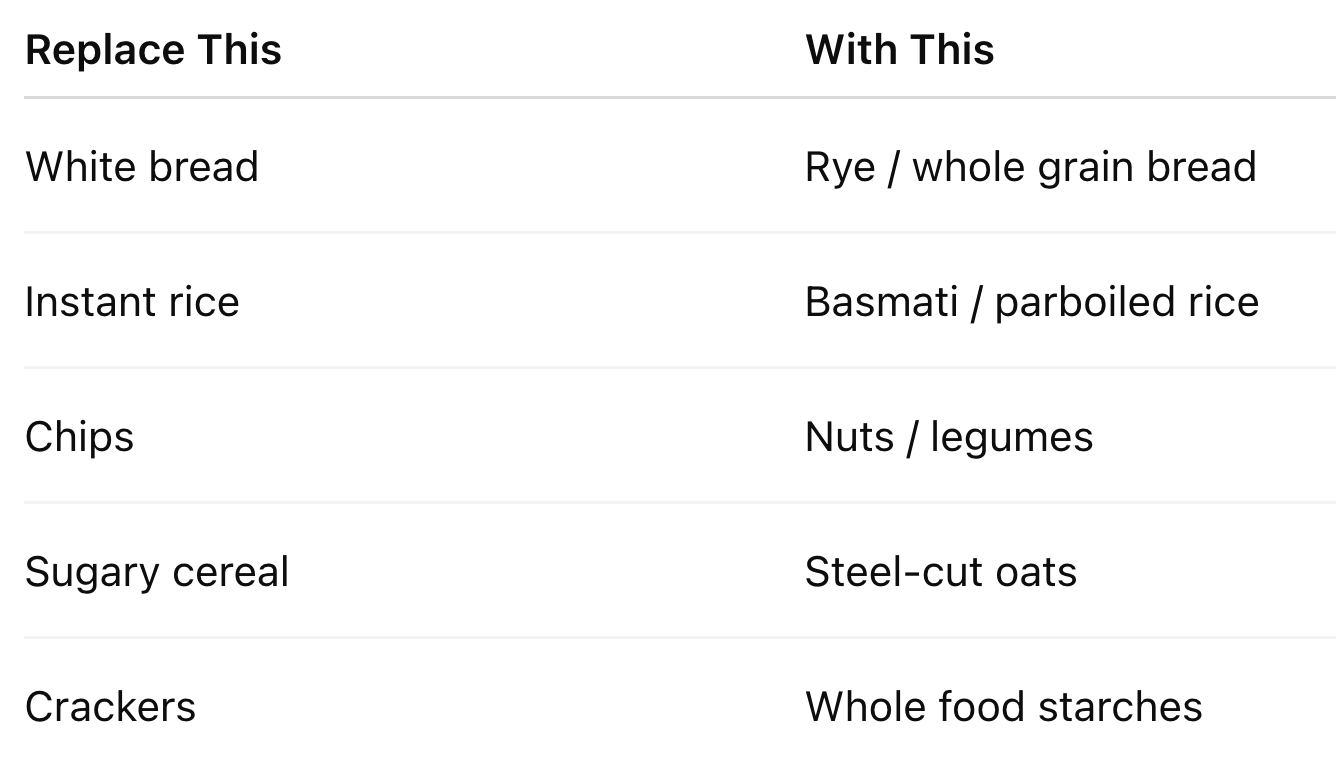
Practical Replacement Strategy
Do not eliminate—replace intelligently:
Clinical Pearl
The combination of refined starch + fructose
is one of the most powerful drivers of modern metabolic disease.
Bottom Line
Dangerous starches are defined by:
- Processing
- Speed of absorption
- Frequency of exposure
If it is:
- Powdered
- Packaged
- Ultra-soft or ultra-crispy
…it is likely metabolically unsafe.