The Core Principle
Bread is not defined by wheat—it is defined by processing and structure.
👉 The key question: Does this bread still resemble a grain, or has it been reduced to fast-absorbing starch?
Safe Bread Patterns (Traditional, Structured)

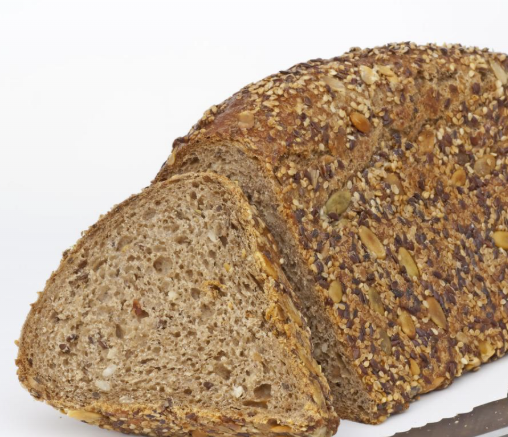
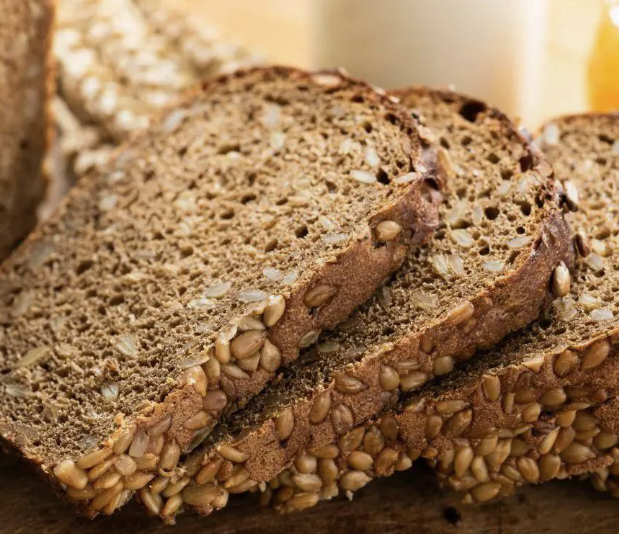
Examples:
- Dense rye bread
- Sourdough bread
- Whole grain / seeded bread
- Sprouted grain bread
Why they are safer:
- Intact or partially intact grain structure
- Slower digestion
- Often fermented (sourdough)
- Lower glycemic response
Clinical note:
Sourdough fermentation can reduce glycemic impact and improve tolerance.
Dangerous Bread Patterns (Modern, Refined)



Examples:
- Hot dog buns
- Hamburger buns
- Hot dog buns
- Soft commercial loaves
Why they are dangerous:
- Finely milled flour
- Loss of fiber structure
- Rapid digestion → high glucose spike
- Highly palatable → overconsumption
The Processing Spectrum
| Bread Type | Structure | Glycemic Impact |
|---|---|---|
| Whole grain kernels | Intact | Low |
| Dense rye / sourdough | Semi-intact | Lower |
| Whole wheat bread | Processed flour | Moderate |
| White bread | Refined flour | High |
The “Whole Wheat” Label Trap
Many “whole wheat” breads:
- Use finely milled flour
- Have similar glycemic impact to white bread
- Add sugars or conditioners
Bread vs Blood Sugar Curve
Not all bread produces the same metabolic response.
A slice of soft white bread is digested rapidly and can drive a sharp glucose spike. Fermented sourdough and dense rye typically produce a flatter, slower curve. The difference is not just ingredients—it is structure, fermentation, and starch accessibility.
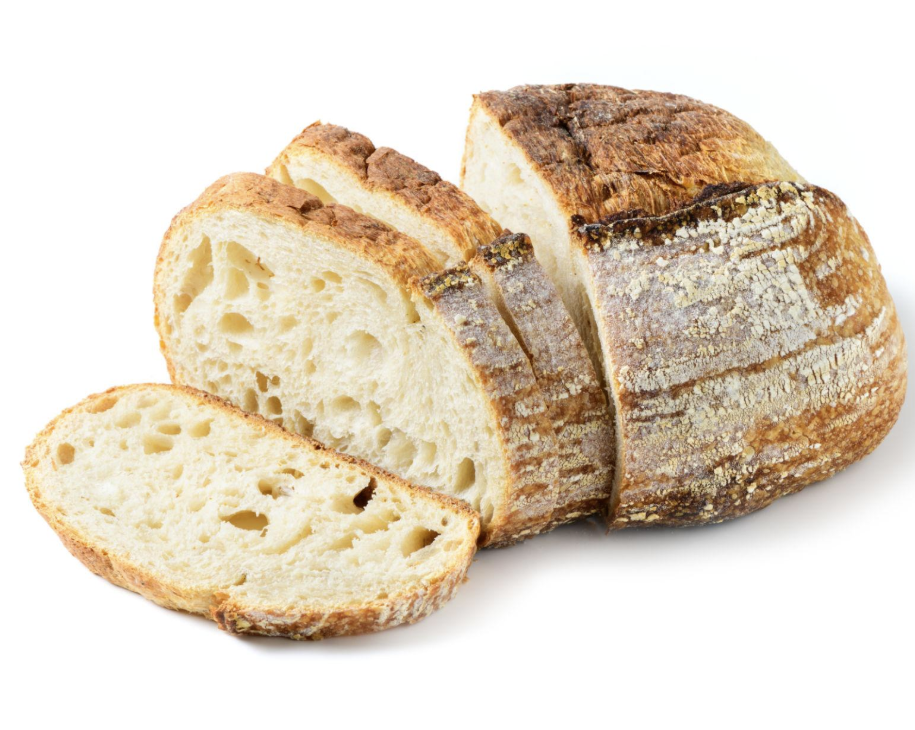

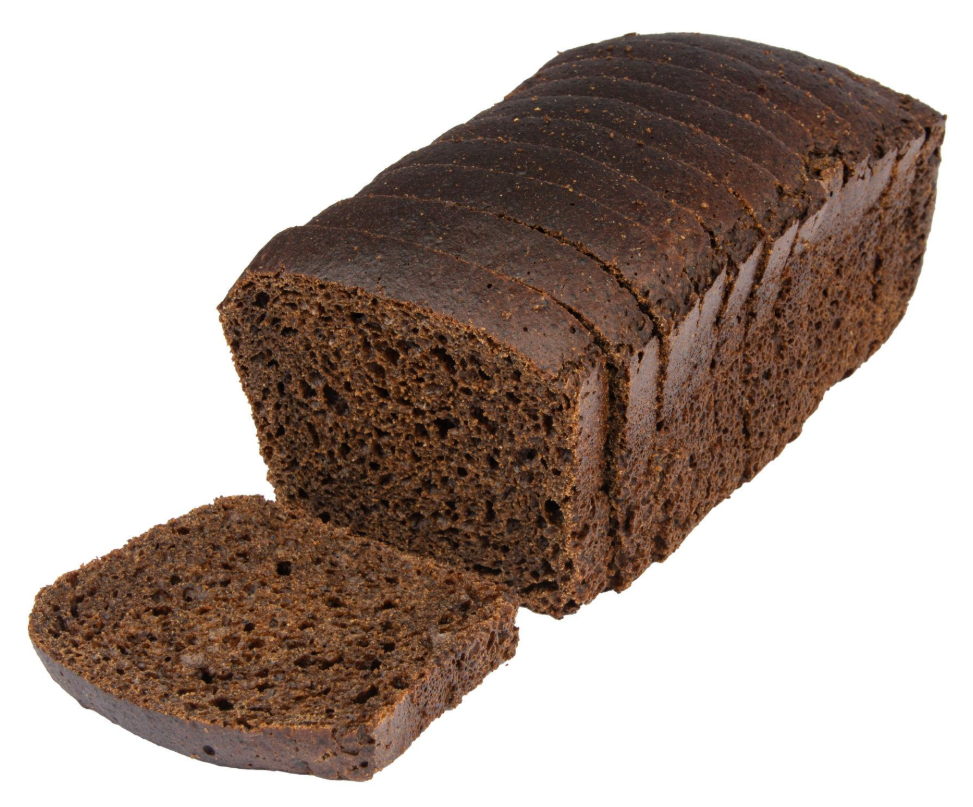
Texture as a Clinical Clue
- Dense, chewy → slower absorption
- Soft, fluffy → rapid absorption
If it is dense, chewy, dark, and fermented, expect a slower response.
| Bread Type | Typical Glucose Pattern | Clinical Meaning |
|---|---|---|
| White bread | Rapid rise, high peak, faster drop | Highest glycemic stress |
| Sourdough | Moderate rise, lower peak, steadier decline | Improved metabolic profile |
| Dense rye | Slow rise, lowest peak, flattest curve | Most stable glucose response |
Practical Upgrade Strategy
| Replace This | With This |
|---|---|
| White sandwich bread | Dense rye / sourdough |
| Hamburger buns | Whole grain or lettuce wrap |
| Sweetened breads | Unsweetened traditional breads |
| Refined flour products | Intact grain or sprouted breads |
Clinical Pearl
Bread is one of the most efficient glucose delivery systems in the modern diet—
especially when made from refined flour.
Bottom Line
Safe bread:
- Dense
- Structured
- Often fermented
- Minimally processed
Dangerous bread:
- Soft
- Refined
- Rapidly absorbed
👉 Choose bread that still behaves like a grain—not like powder reassembled.
Suggested Internal Links
Key takeaways. Bread’s metabolic effect depends on grain structure, flour particle size, fermentation, added ingredients, portion size and the rest of the meal. “Whole wheat” on a label does not guarantee intact grain structure or a low post-meal glucose response.
Traditional Bread Is Not One Food
Bread traditions include dense rye loaves, whole-kernel breads, sourdoughs, flatbreads, corn and millet breads, injera, chapati, pita and many regional preparations. These foods differ substantially in grain species, milling, fermentation, thickness and meal context. A culturally familiar bread should therefore be evaluated by how it is made and eaten rather than by its name alone.
Grain Structure and Particle Size
Grinding grain into fine flour increases the surface area available to digestive enzymes. A bread can contain the bran and germ of the original grain yet still be made from finely milled flour that is rapidly digested. Breads containing visible whole or cracked kernels generally preserve more physical structure. In controlled studies, increasing the proportion of intact cereal kernels has reduced the glycaemic response compared with breads made primarily from milled flour.
Texture provides a useful clue, although it is not a laboratory test. Dense, chewy breads containing intact seeds or kernels usually require more chewing and are eaten more slowly than soft, aerated industrial loaves.
Fermentation and Sourdough
Fermentation can change acidity, flavour, mineral availability and dough structure. Some sourdough preparations produce a lower post-meal glucose response than comparable rapidly fermented breads, but results vary with the flour, starter, fermentation time and final loaf. “Sourdough” is therefore not an automatic health claim.
Reading the Label
- Look for whole or sprouted grains near the beginning of the ingredient list.
- Compare dietary fibre, added sugars and sodium between products.
- Be cautious when refined flour is the first ingredient even if the loaf is brown or labelled multigrain.
- Watch for sweeteners, syrups and large amounts of added fat in breads marketed as snacks or desserts.
- Remember that serving size can make a technically lower-glycaemic bread into a high glycaemic load.
Bread in a Complete Meal
Blood-glucose response depends on the entire meal. A modest portion of structured bread eaten with legumes, vegetables, eggs, fish, yogurt or another protein source is metabolically different from several slices eaten alone or with a sugary drink. Cooling and reheating may alter starch digestibility modestly, but these effects do not turn refined bread into an intact whole food.
Selected Sources
- Jenkins DJA et al. Wholemeal versus wholegrain breads: proportion of whole or cracked grain and glycaemic response. BMJ.
- Marventano S et al. Whole grain intake and glycaemic control: systematic review and meta-analysis of randomized trials.
- World Health Organization: Healthy diet
- Internets: Glycemic index versus glycemic load
Bread, Grain Structure and Metabolic Health: Evidence Update
Key takeaways. Bread is not metabolically uniform. Grain particle size, intact kernels, fibre content, added sugars, portion size and the foods eaten with bread can change the post-meal glucose response. A “whole grain” label does not necessarily mean that the grain remains physically intact.
Whole grain does not always mean minimally processed
The World Health Organization recommends that carbohydrate intake come primarily from whole grains, vegetables, fruits and pulses, while also noting that processing matters. In a randomized crossover trial involving adults with type 2 diabetes, less-processed whole-grain foods produced lower post-meal glucose responses and less glycaemic variability than nutrient-matched, finely milled whole-grain foods.
Sourdough: promising, but not an automatic metabolic advantage
Sourdough fermentation changes acidity, flavour and dough chemistry, but clinical results vary. A systematic review found benefits in some studies and no clear advantage in others; flour type, starter organisms, fermentation time, recipe and comparison bread all influence the result. “Sourdough” should therefore be evaluated as a process description, not treated as a guaranteed health claim.
A practical bread screen
- Prefer breads containing visible whole or cracked kernels, seeds or sprouted grains.
- Compare fibre, added sugar and sodium per serving.
- Consider portion size and glycaemic load, not glycaemic index alone.
- Eat bread as part of a meal containing vegetables, legumes or another protein-rich food rather than with a sugary drink.
- People with diabetes should use their individualized clinical plan and, where available, their own glucose response to guide portions.