Internets Press | Our Mission
The Mission grows through practical, repeatable actions that begin locally and travel outward.
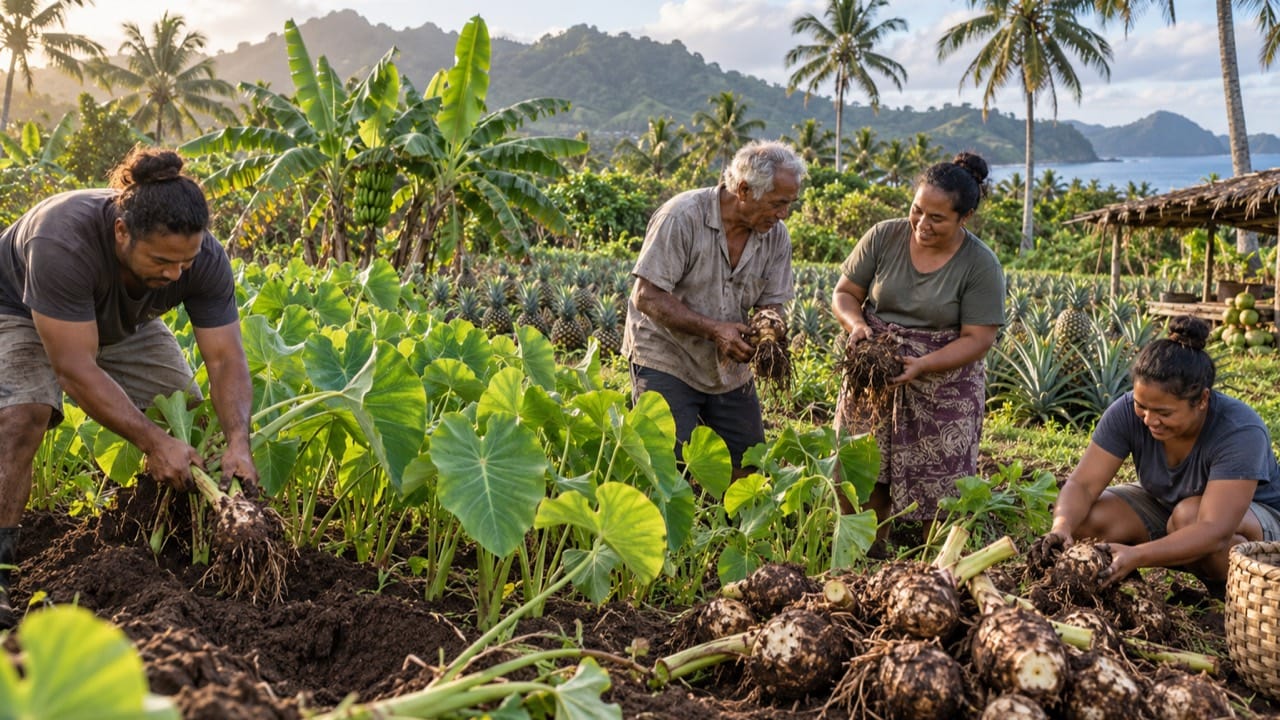
Change begins somewhere
The metabolic crisis is global, but action usually begins with something small: one child who chooses water, one teacher who starts a lesson, one bakery that tests a better bread, one clinician who speaks to a civic club, one family that cooks a traditional meal again.
A ripple is a strategy
One action can move through a family, a classroom, a school, a clinic, a neighborhood, and a nation. The Mission should make those pathways visible. People need to see that small steps are not symbolic; they are how culture changes.
Stories help communities believe
A community example matters because it shows that prevention is not abstract. Stories of schools, gardens, bakeries, NGO clubs, translation teams, and family meals can help other communities imagine their own first step.
Measure without blame
Progress can be measured by participation, water availability, lessons taught, books shared, gardens planted, handouts translated, bakeries engaged, and events hosted. Measurement should encourage action, not shame families or communities that are starting from difficult conditions.
A first 90 days for a local food economy pilot
We propose a 90-day period to bring partners together, assess a site and cost a manageable first growing cycle. This is a planning and establishment timetable, not a promise of harvest, profit or health improvement within three months. No demonstration community or funding commitment is announced here.
Days 1–30: listen, inspect and agree the purpose
Invite growers, families, a school or community centre, local buyers and agricultural advisers. Name a coordinating organisation. Discuss which foods families value and buyers would purchase, inspect potential land and water sources, and identify who would maintain a learning garden. Record constraints as carefully as opportunities.
Days 31–60: cost the work and clarify the market
Obtain local quotations for tools, planting material, water, paid labour, training, transport and suitable storage. Separate the learning plot from adult-run commercial production. Ask buyers about crop quality, quantities, delivery and payment timing. Set out equipment ownership, maintenance responsibilities and the support that would remain necessary after a grant ends.
Days 61–90: establish what is ready and review the rest
Begin only the activities with suitable land, water, skills, supervision and funding in place. Establish a planting and teaching calendar. Start simple records of spending, donated resources, crop progress and buyer interest. Review whether each part should proceed, change or wait; an unresolved water or market problem is a reason to revise the plan.
Give partners a clear picture of progress
Report the period covered, activities completed, spending against budget, commitments still outstanding and the next decisions. Once harvests begin, record marketable and sold kilograms by crop, losses, prices, grower costs and payment delays. Record learning through participation, crop identification and food stories. Participation alone is not evidence of improved clinical outcomes.
Publish an honest account of difficulties as well as achievements, with permission for any personal stories or photographs. Before expanding into larger pineapple, coconut or banana production, require a separate crop-specific assessment of suitability, establishment costs, time to sales and credible buyers.
Read From Bread to Gardens: Growing a Local Food Economy for the overall proposal and the Community Action Toolkit for the planning checklist.
From the first pilot to a durable local food economy
Our proposed programme joins children’s food learning with adult farm enterprises and dependable local purchasing. Its intended benefits are better access to varied foods, stronger food skills, viable grower livelihoods and useful local jobs. These are objectives to measure, not promised outcomes.
The first 90 days establish the team and costed plan. The stages below describe what could follow if funding, land, water, staffing and demand are secured. Timings are planning ranges; each crop needs its own production calendar.
Months 4–6: connect learning with the first production cycle
Use one school or community centre as a learning partner and a small group of adult growers as the supply partners. Agree a manageable crop mix with families and buyers. Let growers plan staggered plantings rather than asking everyone to harvest the same crop at once. Assign paid responsibility for irrigation, garden care during school holidays, harvest handling and order coordination.
Build a repeatable learning sequence: an elder’s food story, a lesson about the plant, a supervised growing activity, a farm visit or grower demonstration, and safe preparation or tasting. Offer children a choice to participate without pressure to eat. Include allergy procedures, handwashing, safe water and age-appropriate tools in school planning. The aim is familiarity and practical competence, not weight-based competition.
Place the proposed Rotary ancestral-food speech contest at the end of this first learning sequence. Children can describe what they learned from an elder and grower, how a food reaches the table, and one realistic community action. Follow the event with another garden or cooking activity so the learning continues.
Months 7–12: test repeat orders and an affordable local market
Move from occasional events to a regular order cycle. A coordinator gathers likely demand, growers confirm available quantities, and buyers receive a clear delivery and invoice. Begin with a route and volume that can be managed reliably. Schools and other public buyers must work within their actual purchasing and food-safety requirements; a proposed connection is not a guaranteed contract.
Offer practical household quantities and convenient collection. Record the price per kilogram or another consistently defined unit, not only the total price of a basket. If subsidies are needed for household access, identify their funder, duration and accounting separately from the price paid to farmers. Fair grower income should not depend on hiding unpaid labour.
Year 2 and beyond: expand what the evidence supports
Consider shared handling space, crop-appropriate storage, coordinated transport or a producer cooperative only when repeat demand can justify their operating costs. Agree ownership, access charges, maintenance and replacement reserves before purchasing equipment. A cooperative is one possible structure, not a requirement for the pilot.
Assess pineapple, coconut and banana enterprises separately. For each, specify suitable land, secure access, planting material, water, pest and storm exposure, time to first marketable harvest, buyer requirements and working capital until sales begin. Use local agricultural advice and trial results. Avoid a single large planting commitment based only on the success of a short-cycle vegetable plot.
The farm-level economics to track
For each crop and sales channel, record marketable harvest, quantity sold, realised selling price, unsold stock and losses. Calculate sales revenue as quantity sold multiplied by the actual price received. Then subtract planting material, water, inputs, labour, packaging, handling and delivery costs. Allocate shared overheads and equipment costs before describing the remaining amount as a full business profit.
Record the grower’s own labour and family labour with an explicit valuation, even when no cash wage is paid. Keep grant receipts, donated equipment and produce sales separate. A cash-flow forecast should show when bills fall due and when buyers actually pay: an enterprise can show an accounting surplus and still lack cash for the next planting.
At community level, track purchases from local growers, paid work hours and wages, participation by small producers, local purchases of services and supplies, and the share of produce sales going to repeat customers. These figures describe activity; they do not establish a net increase in local economic output or a multiplier. Compare with the baseline and report displacement of existing local suppliers where it occurs.
Children’s health: improve the conditions and measure carefully
Set practical objectives for access to varied produce, water availability, cooking and growing skills, and participation in food learning. Use a short baseline and repeat assessment of food identification, preparation confidence and availability at participating meals. Where suitable expertise and consent exist, evaluate changes in food intake using an appropriate method. Keep programme evaluation proportionate and avoid collecting unnecessary personal health information.
Do not infer that a contest, garden or local-food purchase has reduced obesity, diabetes or other disease. Any clinical evaluation would need a separate protocol, qualified oversight and an appropriate comparison. Children should never be ranked or rewarded by body size, weight change or family income.
One accountable team, with distinct responsibilities
- Lead organisation: hold the budget, keep separate project accounts, manage agreements and publish a progress report.
- Grower group and agricultural advisers: plan crops, cost production, maintain quality and assess readiness to expand.
- School and health-education leads: organise learning, safe activities and proportionate evaluation.
- Rotary and community volunteers: propose contest coordination, mentoring, judges and privately sponsored recognition, subject to the participating club’s agreement.
- Buyers: state requirements, provide feedback and pay according to agreed terms.
- Government and funders: determine programme eligibility, allowable expenditure and reporting requirements before funds are committed.
Review the pilot at the end of each growing cycle. Expand only when crop performance, repeat demand, full costs, reliable payment and the capacity of the teaching and delivery teams support the next stage. Publish what failed and what changed as well as what worked.
Continue to the government, NGO and USDA funding discussion, the children’s learning and proposed Rotary speech contest, and ways to take part.
What a community can do now
- Choose one community pilot instead of waiting for a perfect national plan.
- Document the first practical action clearly.
- Share the story so another community can copy it.
- Measure participation and learning before focusing on clinical outcomes.
Supporting pages for this Mission goal
- One Child, One Family, One Community, One World
- Stories of Hope
- Pilot Communities
- Measuring Progress Without Blame
The books help carry the Mission farther.
Internets Press books turn the science of fructose, fatty liver, insulin resistance, diabetes, and food-system change into practical education for families, schools, clinicians, civic groups, and communities.
Science and Mission work together
Mission pages focus on prevention, education, food culture, and community action. Clinical pages focus on diagnosis, biomarkers, professional education, and disease management.
Looking for physician-level evidence, diagnostic tools, or clinical references? Visit Clinical Resources.
Want the mechanisms? Visit Metabolic Science for fructose metabolism, liver pathways, uric acid, insulin resistance, and disease biology.
Educational note: This page is for public education and community planning. It does not diagnose or treat disease. People with medical questions should work with qualified healthcare professionals.