Internets Press | Our Mission
The Mission is an invitation to become part of the solution.
Metabolic disease can feel enormous: too many products, too much advertising, too many confusing labels, too much blame placed on families after the food environment has already changed around them. The Mission begins by making the next useful step small enough to take.
Begin with one action
Drink water instead of a sugary drink. Teach one child about traditional foods. Plant one garden. These actions are small enough to begin and meaningful enough to repeat. Talk to one school. Support one bakery testing healthier food.
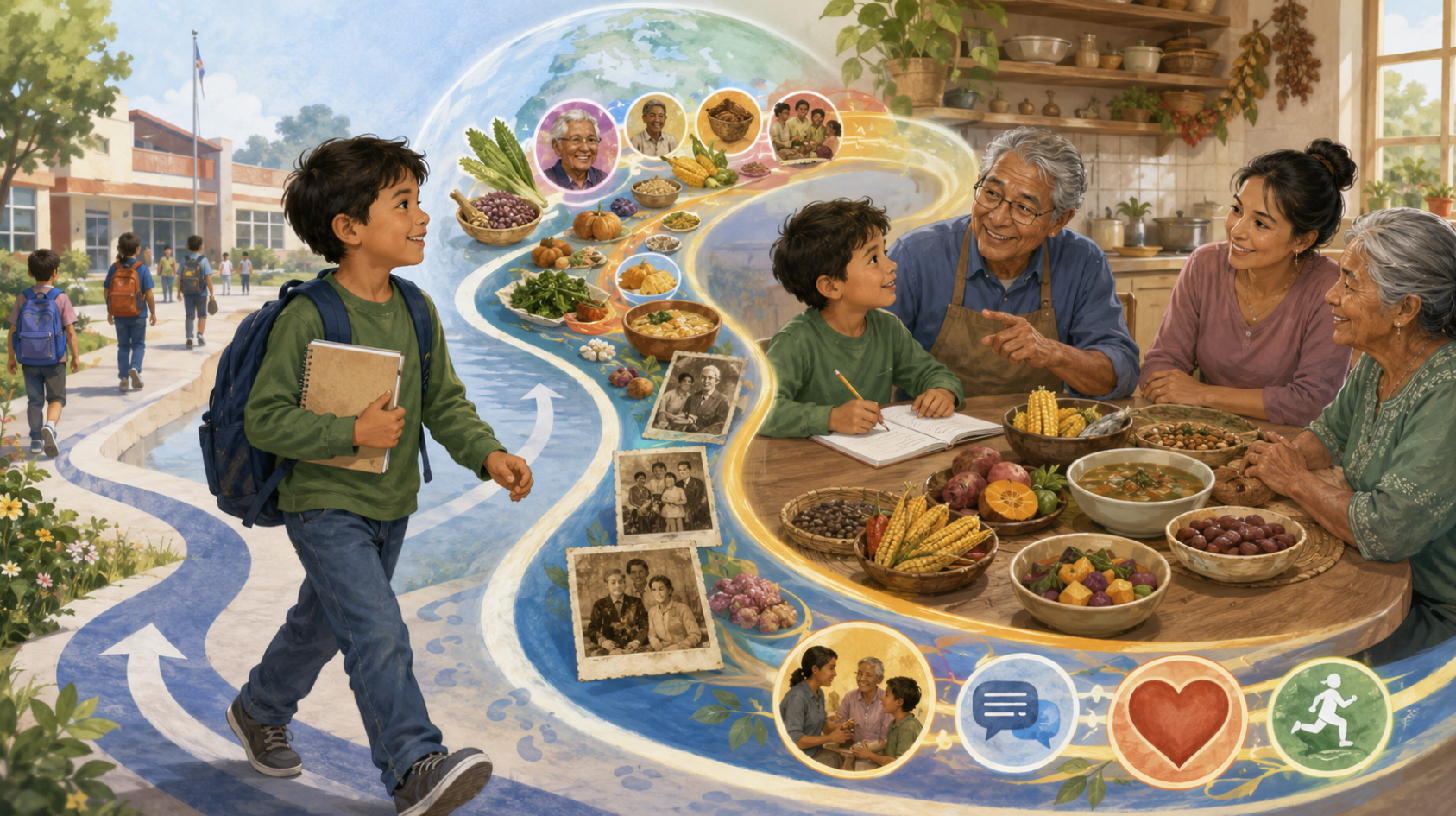
Different people can join in different ways
Parents can teach at home. Teachers can create lessons. Clinicians can review handouts or speak at events. Bakers and market owners can make healthier choices visible. Translators can help knowledge travel. Civic groups can convene people who would not otherwise meet.
This is an educational mission
Internets Press is a publisher. The invitation is broad and clean: help reliable education move into the world through books, translations, handouts, website content, school education, and community teaching.
Hope is a strategy
People are more likely to act when they feel capable. The Mission should leave visitors with the sense that metabolic disease is not inevitable, that traditional food knowledge still matters, and that communities can help children grow up with better choices.
Help build the local food economy
The next stage of the Mission invites people to connect education with practical growing, purchasing and community organisation. You do not need to run a farm to contribute. Choose a role that fits your skills and resources, and begin with a clearly defined contribution.
- Growers and gardeners: help assess suitable crops, explain production costs, mentor a learning garden or discuss a small supply trial with a buyer.
- Elders, families and teachers: contribute food stories, local names, preparation skills and supervised learning activities. Agree consent, credit and any payment before work begins.
- Bakeries, shops, restaurants and institutional kitchens: describe what you could buy, in what quantities and seasons, and on what delivery and payment terms. A realistic repeat order is more useful for planning than a general expression of support.
- Government and agricultural advisers: help clarify site suitability, land and water access, technical training and applicable purchasing requirements.
- NGOs and funders: help cost and support coordination, grower training, teaching, suitable harvest handling and affordable household access. Include maintenance and reporting in the plan.
- Organisers and practical volunteers: contribute clearly scheduled help with meetings, translation, records or distribution, under an accountable local coordinator.
Bring a concrete offer to the first discussion
Prepare a short note with your community, the role you could take, the resource or skill you could offer, your available time, and the conditions or support you would need. A grower might describe a possible crop and available plot; a buyer might describe a weekly requirement; a school might identify a teaching lead and a manageable garden space. These are discussion inputs, not binding commitments.
Use the proposed 90-day community pilot plan to organise the conversation and the Community Action Toolkit to identify next steps.
Agree responsibility before committing funds
Internets Press provides the educational framework. Each local project needs an identified organisation responsible for its budget, delivery, equipment and reporting. No donation scheme, grant award or purchasing contract is announced on this page. Funding and delivery arrangements should be agreed directly with the organisation responsible for the proposed pilot.
Explore the full pathway: From Bread to Gardens: Growing a Local Food Economy.
What a community can do now
- Read and share the books.
- Teach one lesson in a school, clinic, church, NGO, civic club, or community group.
- Translate or review one resource.
- Start one visible local action and tell the story.
Science and Mission work together
Mission pages focus on prevention, education, food culture, and community action. Clinical pages focus on diagnosis, biomarkers, professional education, and disease management.
Looking for physician-level evidence, diagnostic tools, or clinical references? Visit Clinical Resources.
Want the mechanisms? Visit Metabolic Science for fructose metabolism, liver pathways, uric acid, insulin resistance, and disease biology.
Educational note: This page is for public education and community planning. It does not diagnose or treat disease. People with medical questions should work with qualified healthcare professionals.
The books help carry the Mission farther.
Internets Press books turn the science of fructose, fatty liver, insulin resistance, diabetes, and food-system change into practical education for families, schools, clinicians, civic groups, and communities.