Internets Press | Our Mission
Food is not only fuel. It is memory, language, migration, family, and dignity.
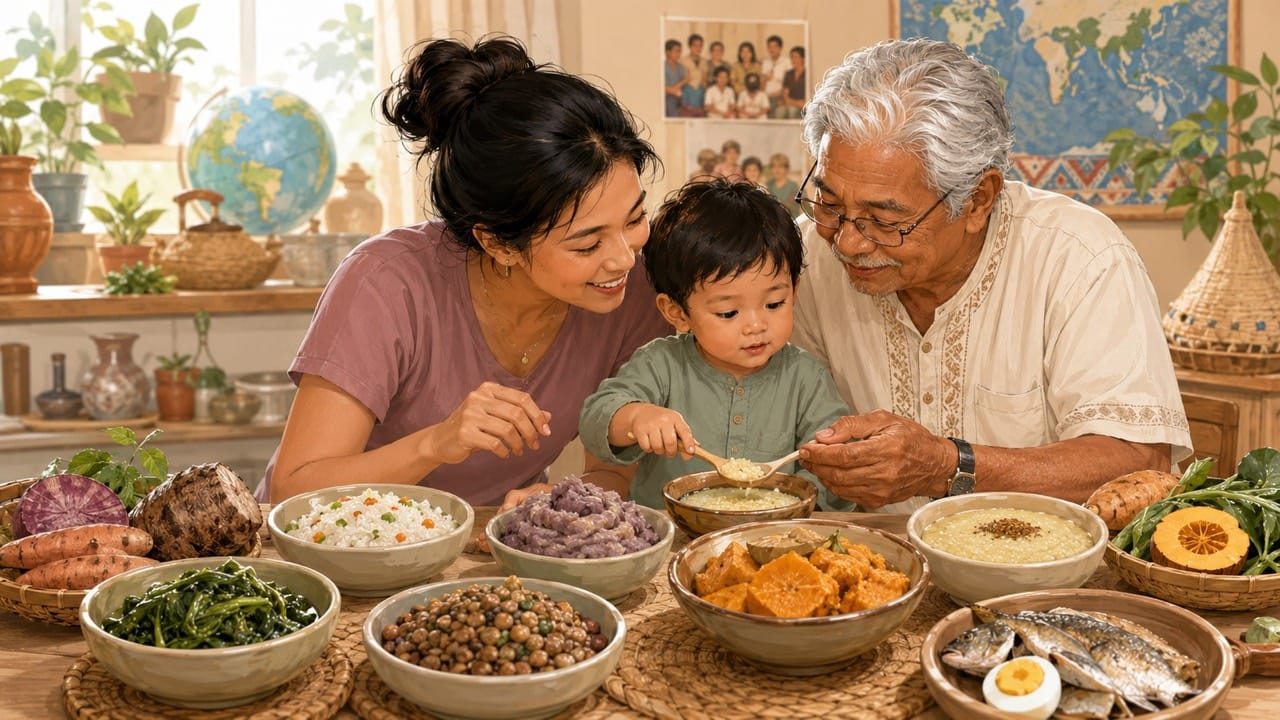
Food carries memory
Every community has foods that carry stories: meals cooked by grandparents, foods eaten during scarcity, foods shared during celebration, foods grown near home, foods carried across oceans, and foods that mark identity. When metabolic health education ignores culture, it loses trust.
Traditional does not always mean perfect, but it matters
The Mission section should not romanticize every past diet or condemn every modern food. Its task is more careful: to ask what changed, what was lost, what deserves recovery, and how local knowledge can be combined with modern science.
Migration changed food environments
Families who move often lose access to familiar ingredients, land, fishing, seasonal foods, and extended family cooking. They may gain access to inexpensive refined starches, sweetened drinks, and ultra-processed snacks. This transition can happen quickly, especially across generations.
Respect opens the door to change
People are more willing to examine food habits when they do not feel mocked or blamed. A culturally respectful Mission page begins with dignity: What did your grandparents eat? What foods do you remember? What ingredients can your children still name? What could be brought back in a practical way?
From food memory to a living local economy
We propose a practical connection between cultural pride and local livelihoods. A child learns the name and story of a food; an elder or grower shows how it is cultivated and prepared; a family finds it at a local market; and a paid order helps the grower plan the next harvest. The aim is to make food knowledge part of everyday life.
Build a community food story and growing calendar
Choose a small number of foods meaningful to participating families. For each, record its local names, the family story, how it is prepared, and where it can be grown or obtained. Ask local growers to add planting and harvest information appropriate to the site. Distinguish a crop’s place in family tradition from its botanical origin; a food can become culturally important through migration and exchange.
Children could illustrate the calendar, interview an elder, visit an adult-run farm, or help tend a supervised learning plot. A community tasting could bring the stories and foods together. Record and publish personal stories only with permission, agree how contributors will be credited, and respect knowledge that families prefer to keep private.
Make cultural contribution part of the budget
Where funding allows, budget for elders’ teaching, growers’ demonstrations, translation and cooking instruction. Agree responsibilities and payment openly. Educational activities should not depend indefinitely on unpaid work, and commercial growing should remain the responsibility of adults.
Welcome the traditions of all participating families. Assess proposed foods and recipes on their actual ingredients and preparation; cultural pride is not a claim that every traditional dish has the same nutritional qualities.
The wider proposal connects these activities with market gardens and local buyers: From Bread to Gardens: Growing a Local Food Economy.
What a community can do now
- Host a family story night around traditional foods.
- Ask elders to name foods they grew, gathered, fished, fermented, or cooked.
- Create a community recipe archive.
- Use food culture as a bridge to science, not as a substitute for science.
Supporting pages for this Mission goal
- Families Around the Table
- Migration, Memory, and Modern Diets
- Traditional Foods Across Regions
- Local Food Knowledge Has Dignity
The books help carry the Mission farther.
Internets Press books turn the science of fructose, fatty liver, insulin resistance, diabetes, and food-system change into practical education for families, schools, clinicians, civic groups, and communities.
Science and Mission work together
Mission pages focus on prevention, education, food culture, and community action. Clinical pages focus on diagnosis, biomarkers, professional education, and disease management.
Looking for physician-level evidence, diagnostic tools, or clinical references? Visit Clinical Resources.
Want the mechanisms? Visit Metabolic Science for fructose metabolism, liver pathways, uric acid, insulin resistance, and disease biology.
Educational note: This page is for public education and community planning. It does not diagnose or treat disease. People with medical questions should work with qualified healthcare professionals.